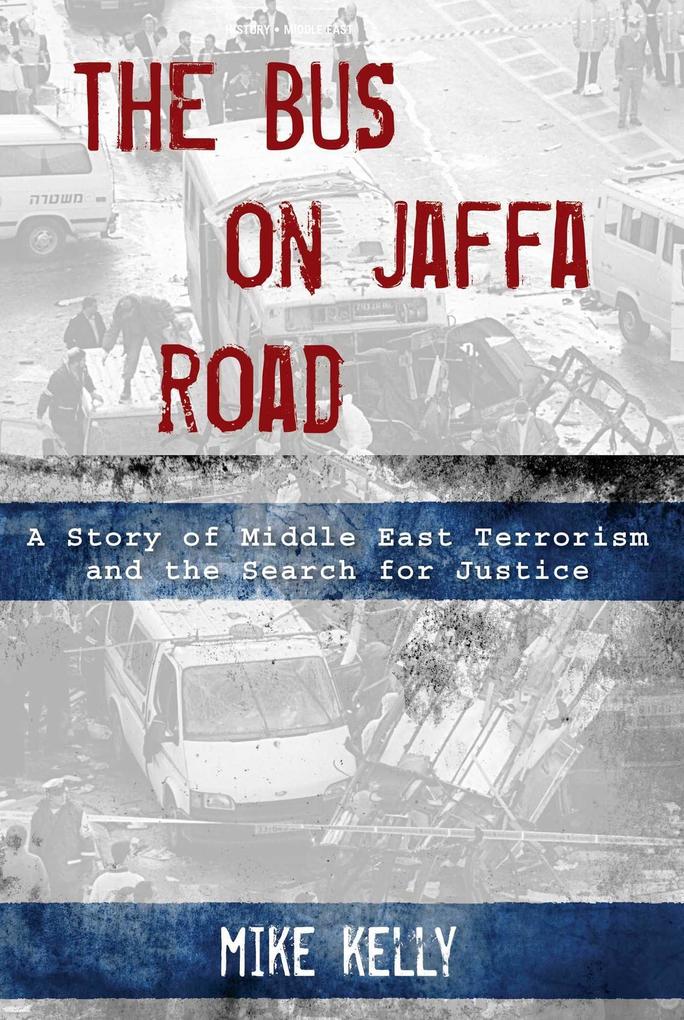
As the morning sunlight crept over the limestone walls of Jerusalem’s old city, two young Americans flagged down a bus and got on. It was 6:45 a.m., February 25, 1996 -- an otherwise ordinary Sunday in Israel. Two US citizens who were studying in Israel, Sara Duker and Matthew Eisenfeld, settled into their seats as the door closed on Jerusalem’s Number 18 bus which would take them across the spine of this ancient city of hills. On this day, they had risen earlier than normal in the hope of spending the day touring an archeological site. After a few more stops, their bus turned on Jerusalem’s Jaffa Road and rolled up a slight hill and stopped again. A young man, dressed as a student and carrying a duffle bag, got on. No one paid much attention to him, witnesses said later. Young men with duffle bags or backpacks are a common sight in Jerusalem, especially early on Sundays, as many students and soldiers, who had gone home for the weekend, returned to their college campuses or military bases.
But this man was not a student. As the bus door closed, he reached into his duffle bag and pressed a button – and set off a huge bomb. Sara and Matthew died instantly. So did 22 others, including the bomber. Their grieving families discovered that Iran had financed the bombing that killed their children as well as others that preceded it. The families eventually filed a lawsuit in U.S. courts against Iran, asking for money from Iranian assets that had been frozen in the U.S. since the late 1970s. They won a judgment of $327 million against the Iranian assets. However, the U.S. government blocked their efforts to collect damages.
"The Bus on Jaffa Road" is the story of one act of terror and what happened afterwards. It offers many lessons -- and warnings -- about the current war on terrorism that has dominated US politics.
Inhaltsverzeichnis
Prologue: Author meets with the bombmaker, Hassan Salameh, 10 years after and his admission that he built the bomb and basically has no regrets
Part I: The bombing and its immediate aftermath
Part II: The battle in Congress and the courts by parents to hold Iran accountable, with the Clinton White House first supporting the parents in their court efforts and later opposing those efforts.
Part III: The battle -- and eventual -- compromise with the Clintons that allowed the families to collect some money.
Epilogue: The bittersweet victory, with the families thinking that the were getting money from Iran but discovering that the money came from a US govt account, and also knowing that some victims of terror got paid and others did not. With regrets by the judge and others.