Bücher versandkostenfrei*100 Tage Rückgaberecht***Abholung in über 100 Filialen
Inhaltsverzeichnis
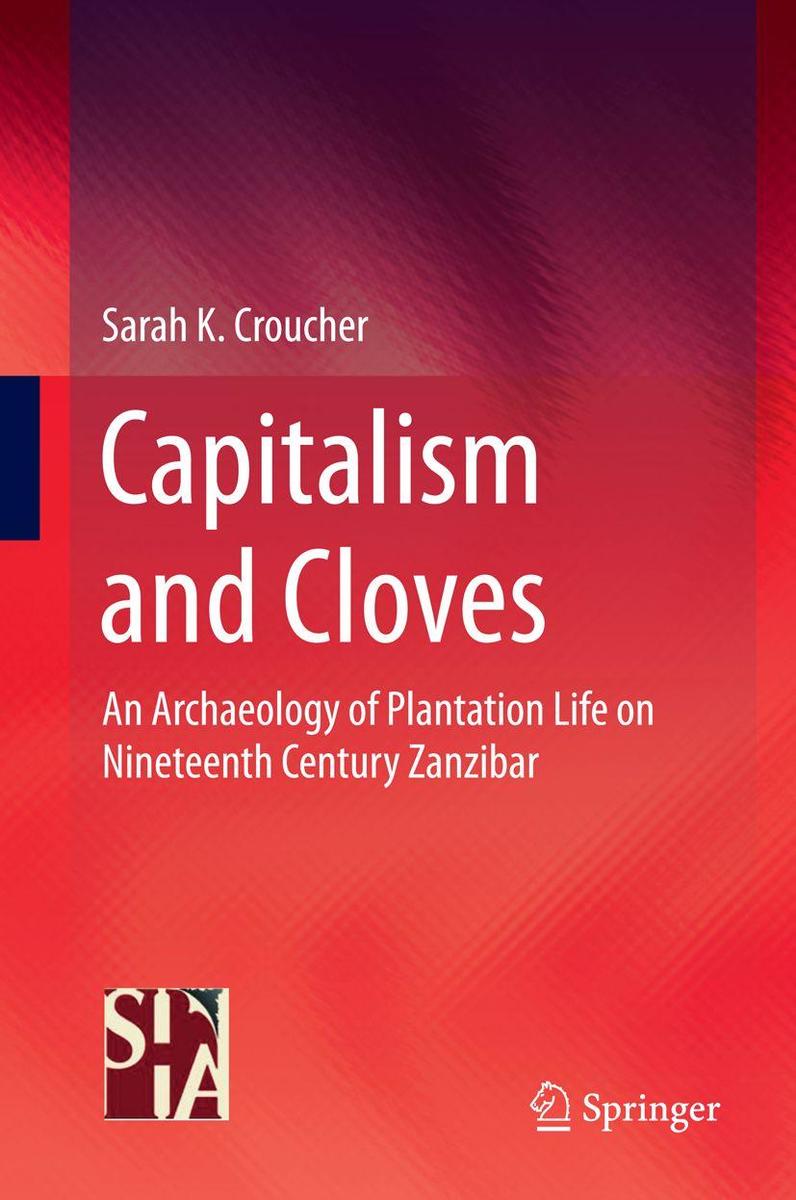
Chapter 1: Introduction. - Chapter 2: Why Clove Plantations? East African Archaeology, History and Anthropology. - Chapter 3: Plantation Landscapes. - Chapter 4: The Archaeology of Slavery. - Chapter 5: Plantation Households. - Chapter 6: Global Goods. - Chapter 7: Pemban People: Local Ceramics and Changing Identities. - Chapter 8: Capitalism and Cloves: East African Historical Archaeology.
The book draws upon years of research and field work to address multiple themes in its treatment of the archaeology of the Omani Arab plantation system on Zanzibar and Pemba in the 1800s. For world historians in general, the book is a valuable and informative treatment of the topic. The book is well-written, but the research methodology, and indeed the topic itself, is best suited for scholars and graduate or doctoral-level students. (Phillip Cantrell, World History Connected, worldhistoryconnected. press. illinois. edu, Vol. 14 (1), February, 2017)
Capitalism and Cloves is a brave book. It is based primarily on a surface survey of clove plantations in four areas of Unguja and Pemba islands, and the excavation of an Arab plantation owner s house near Piki on Pemba. is an original study that has much to recommend it. It raises important questions about Zanzibar s past and its interpretation, is replete with interesting observations, and will no doubt be consulted by students and researchers for many years to come. (Martin Walsh, Tanzanian Affairs, Issue 111, May-August, 2015)
Es wurden noch keine Bewertungen abgegeben. Schreiben Sie die erste Bewertung zu "Capitalism and Cloves" und helfen Sie damit anderen bei der Kaufentscheidung.