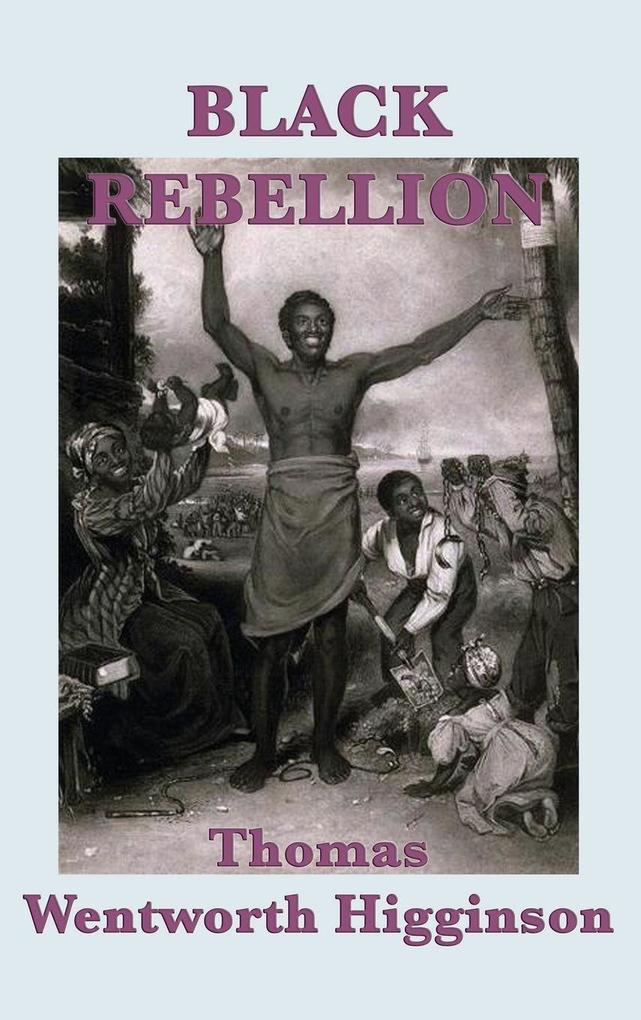
Thomas Wentworth Higginson (1823-1911) was an American minister, abolitionist, reformer, soldier, essayist, historian, and literary critic. A prominent New England reformer before the Civil War, he supported abolition, women's rights, religious liberalism, and other causes associated with nineteenth-century American radical reform. During the Civil War, he commanded the 1st South Carolina Volunteers, later known as the 33rd United States Colored Infantry, one of the first Black regiments officially organised by the Union Army. That experience shaped his later writings on slavery, emancipation, Black military service, and the moral meaning of resistance.Higginson's wide-ranging literary and political career included essays, historical works, memoirs, reform writing, and editorial work. He is also remembered for his early support of Emily Dickinson, but his abolitionist and Civil War writings are central to his public legacy. In Black Rebellion, Higginson brought together his historical interests and anti-slavery convictions, presenting slave revolts not as disorderly footnotes but as serious struggles against oppression. His work remains useful for readers interested in abolitionism, Black resistance, the history of slavery, Civil War-era reform, nineteenth-century American nonfiction, and the long history of freedom movements in the Atlantic world.