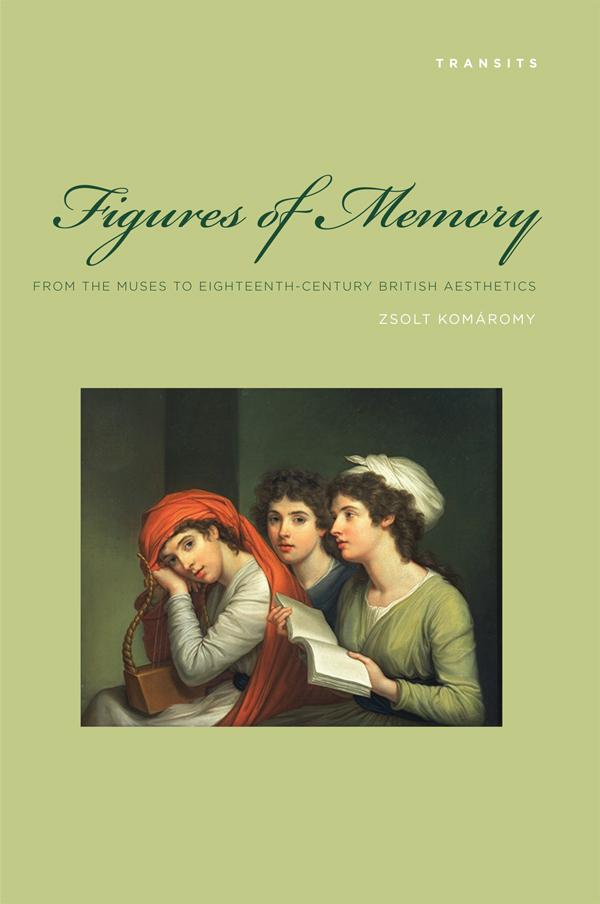
This book effects a rapprochement between memory studies and eighteenth-century aesthetics with the aim of modifying received views on the role and fate of memory in the history of criticism. It argues that the philosophical problems characterizing conceptualizations of memory unsettle its opposition to the imagination and explain its relation to literary discourse. Moving from the Muses through Plato and Descartes to works by Pope, Addison, Gerard, and Kames, the book traces these problems through various "figures" representing notions of memory and claims that eighteenth-century critical thought exploited a constructive sense of memory for accounts of the notion of the imagination. Komaromy thus argues for the persistence of the literary relevance of memory even in a poetics of the imagination, offering a new perspective on the changing relation of memory and imagination at a point in the history of criticism that has determined the critical assessment of these concepts.
Inhaltsverzeichnis
Chapter 1: Introduction: The Reproductive-Productive Dichotomy and Beyond Part 2 Part I: On Notions of Memory Chapter 3 Chapter 2: Memory/Imagination: The Representational Model Chapter 4 Chapter 3: Conceptual Cruxes: Plato and the Aporia of memory Chapter 5 Chapter 4: Mnemonic Practice: The Constructive Model Part 6 Part II: Figures of Memory in Eighteenth-Century British Aesthetics Chapter 7 Chapter 5: Mixing Traces Chapter 8 Chapter 6: Mnemonic Imagination