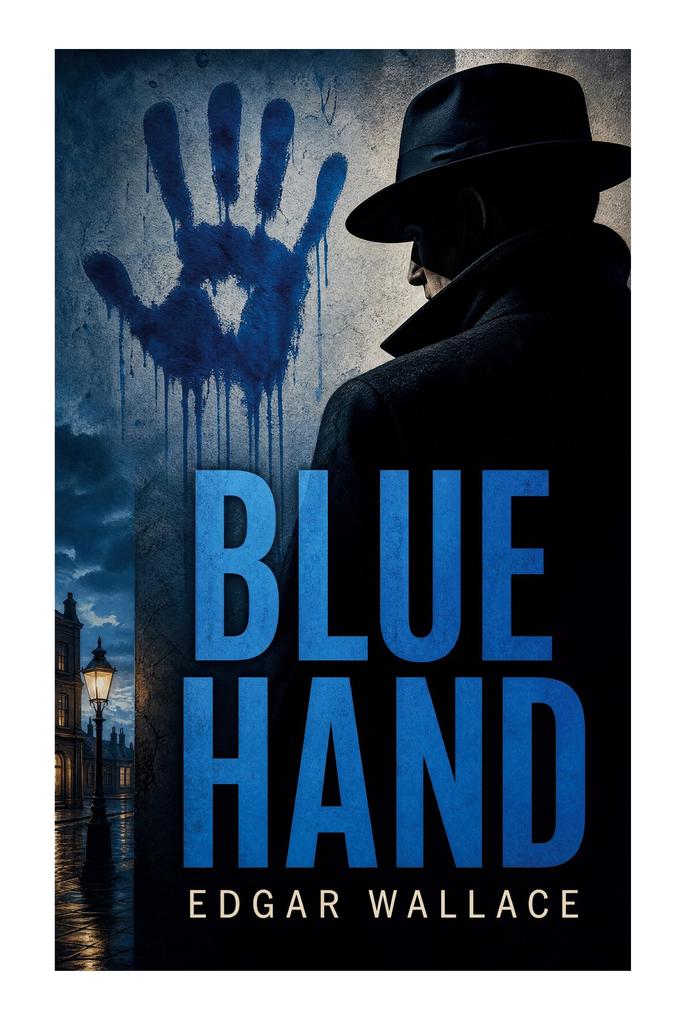
Edgar Wallace's Blue Hand is a compact thriller of menace, secrecy, and accelerating revelation, built around the ominous emblem that gives the novel its title. Moving through drawing rooms, shadowed houses, and the morally ambiguous spaces of interwar crime fiction, Wallace combines detection with melodrama, coincidence with ingenuity, and suspense with his characteristic rapid dialogue. The book belongs to the golden age of popular British thrillers, where criminal conspiracy, hidden identity, and social unease are transformed into compelling narrative machinery. Wallace was one of the most prolific writers of the early twentieth century, a former journalist whose instinct for headlines, pacing, and public appetite shaped his fiction. His experience in newspapers and his fascination with law, scandal, and urban modernity helped him produce stories that feel immediate and theatrical. Blue Hand reflects his gift for turning sensational material into disciplined entertainment without sacrificing atmosphere. Readers who enjoy classic mysteries, vintage thrillers, or the energetic narrative art of early crime fiction will find Blue Hand highly rewarding. It is best approached not merely as a puzzle, but as a finely engineered entertainment by a master of popular suspense.