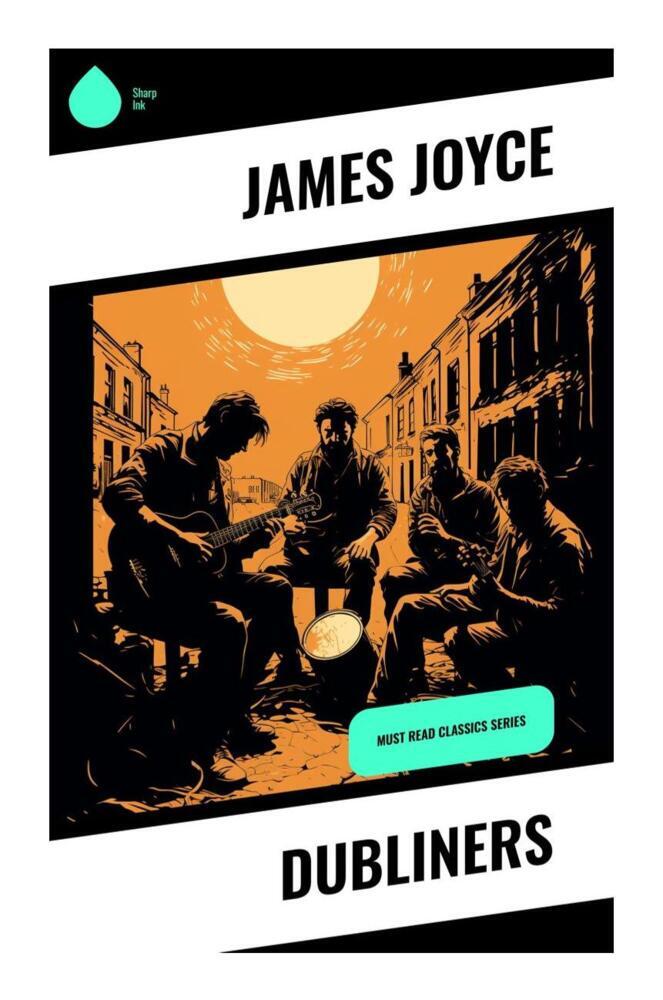
Dubliners is James Joyce's incisive collection of fifteen stories charting the moral, emotional, and spiritual life of early twentieth-century Dublin. Moving from childhood through adolescence, maturity, and public life, the volume culminates in "The Dead," one of modern literature's great meditations on memory and loss. Its lucid realism, symbolic density, and carefully controlled epiphanies place it at the threshold of literary modernism while remaining rooted in the social textures of Irish paralysis. Joyce, born in Dublin in 1882, wrote the book from a position of intimate knowledge and chosen exile. His Jesuit education, fraught relationship with Irish nationalism and Catholicism, and acute awareness of class, speech, and urban habit all inform the collection's unsparing precision. Dubliners reflects his ambition to give his city a "nicely polished looking-glass," revealing both its ordinary vitality and its constricting institutions. This book is essential for readers interested in modernism, Irish literature, or the short story as an art form. Its quiet surfaces reward close attention, and its revelations linger long after reading.