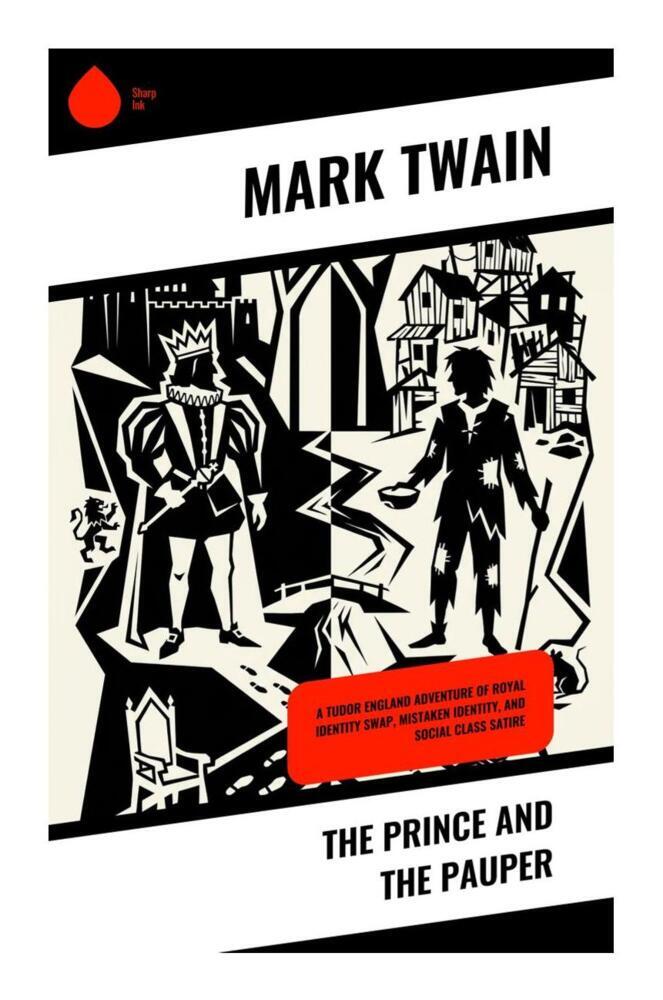
In The Prince and the Pauper, Mark Twain fashions a historical fable set in Tudor England, where Prince Edward and the impoverished Tom Canty exchange places and discover, through lived experience, the brutal inequalities of rank. Combining adventure, satire, and moral allegory, Twain adopts an idiom that playfully evokes older English prose while remaining accessible and sharply comic. Beneath its charm lies a serious critique of legal cruelty, social hierarchy, and the arbitrary nature of privilege, placing the novel within both the tradition of children's literature and the broader nineteenth-century realist concern with injustice. Twain, born Samuel Langhorne Clemens, was one of America's most incisive humorists and social critics. His experiences along the Mississippi, his skepticism toward inherited authority, and his fascination with imposture, identity, and class all inform this novel. Though best known for distinctly American settings, Twain's turn to sixteenth-century England allowed him to examine universal questions of power and human dignity at a safe historical distance, sharpening his criticism through irony and disguise. This is a book to recommend not only to younger readers but to anyone interested in how fiction can unite entertainment with ethical seriousness. It rewards readers seeking wit, narrative vigor, and a humane meditation on justice, sympathy, and the accidents of birth.