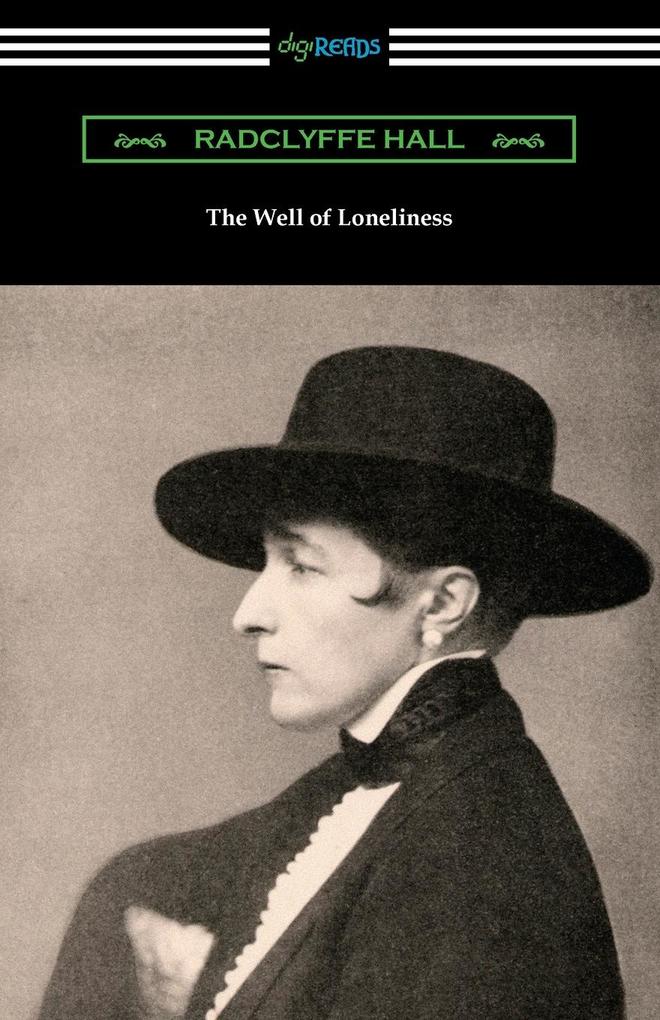
Radclyffe Hall (1880-1943) was an English poet and novelist whose 1928 book The Well of Loneliness became one of the most consequential censorship cases in British publishing history. Born Marguerite Radclyffe Hall in Bournemouth, she began her literary career as a poet before turning to fiction, winning acclaim for novels including Adam's Breed, which received both the James Tait Black Memorial Prize and the Prix Femina. She lived openly with her partner Una Troubridge for much of her adult life and adopted the name "John" among friends, presenting in the masculine style that shaped her fiction and her public image. The Well of Loneliness, a sober and unflinching portrait of a woman's love for another woman, was prosecuted for obscenity within months of publication; a British court ordered every copy destroyed, and the ban held in the UK until 1949, six years after Hall's death. The trial drew public defense from figures including Virginia Woolf and E. M. Forster, and the novel went on to become one of the most widely read lesbian novels of the twentieth century, smuggled, reprinted, and passed hand to hand for decades after its suppression. Hall died in London in 1943. The Well of Loneliness remains in print worldwide and is recognized as a landmark of LGBTQ+ literature and a pivotal moment in the history of literary censorship.