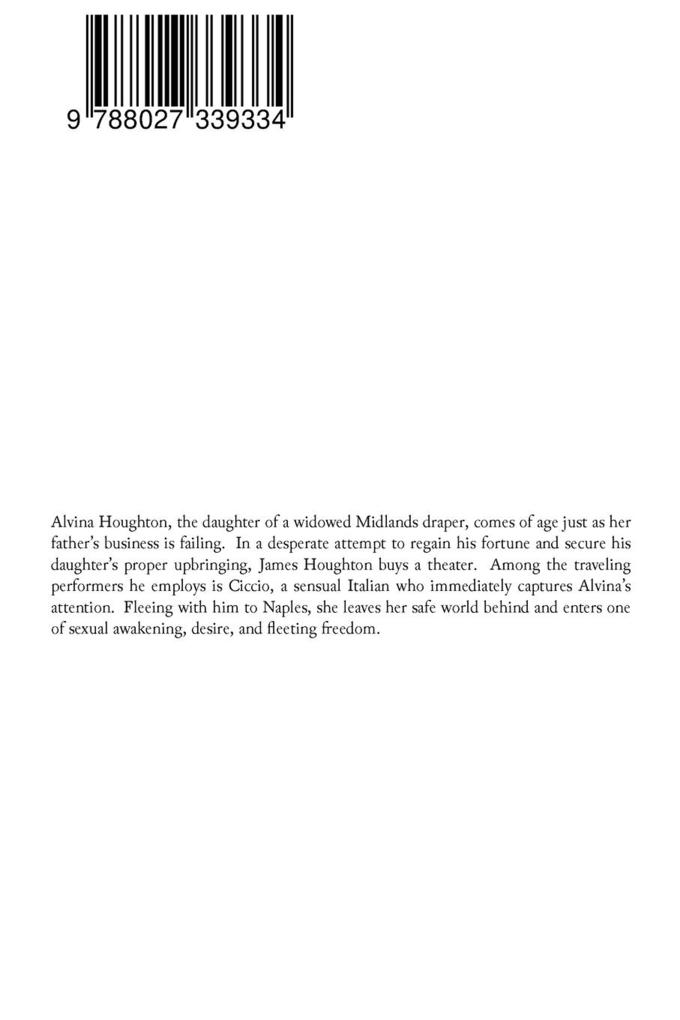
D. H. Lawrence's "The Lost Girl" delves into the tumultuous journey of a young woman, Alvina, as she grapples with her identity amidst the constraints of societal expectations and familial ties. Set against the intricately woven tapestry of early 20th-century England, the novel showcases Lawrence's signature emotive prose and psychological depth, reflecting the tensions between modernity and tradition. The narrative artfully explores themes of sexuality, self-discovery, and the quest for personal autonomy, immersing readers in Alvina's internal conflicts while she navigates the chasm between the conventional and the avant-garde. Lawrence, a pivotal figure of the Modernist literary movement, was profoundly influenced by his own experiences with societal norms and personal liberation. Born in coal-mining territory, his working-class roots instilled in him a deep empathy for the struggles of the individual against socioeconomic constraints. His relentless pursuit of authenticity and exploration of human relationships resonate powerfully within "The Lost Girl," offering a nuanced understanding of human motivation and emotional complexity. This novel is a must-read for those intrigued by psychological realism and the exploration of female agency in literature. Lawrence's insight into the human condition renders "The Lost Girl" not just a narrative of a woman's search for belonging, but a timeless examination of the quest for self amidst a world rife with expectations. Readers will find themselves captivated by the raw and profound insights that continue to echo in today's socio-cultural landscape.