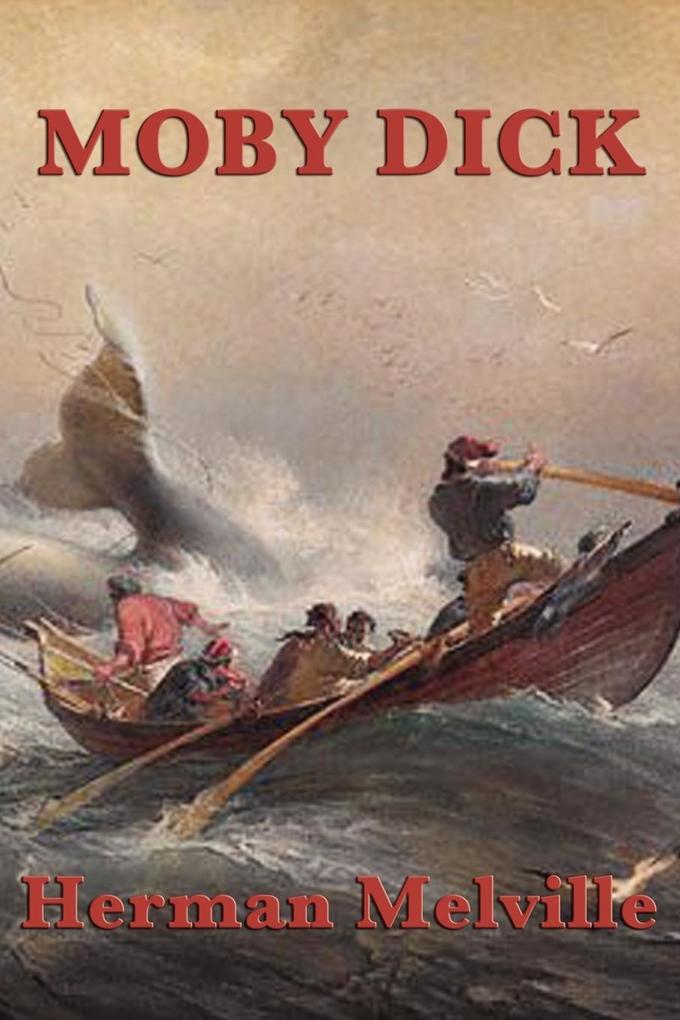
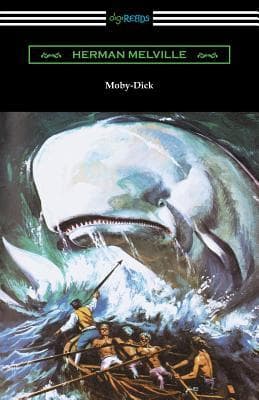
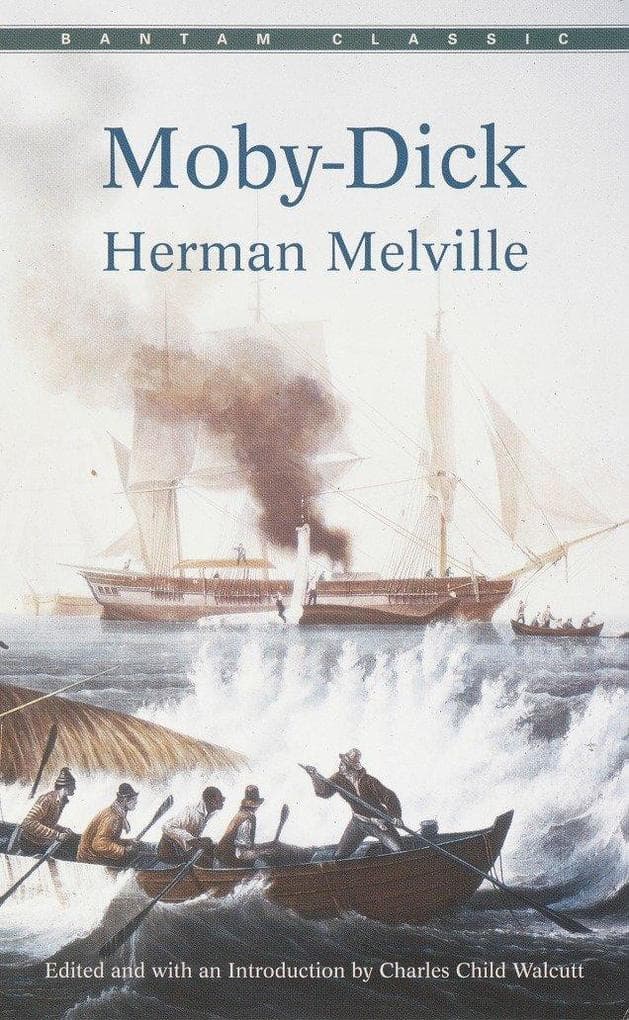
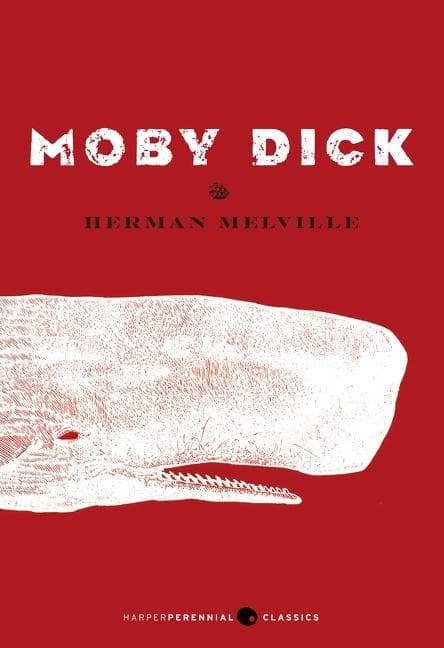
A monumental work of American literature, Moby-Dick unites adventure narrative, philosophical inquiry, and symbolic depth in the story of a doomed voyage in pursuit of an elusive white whale. Told through the reflective voice of Ishmael, the novel follows the whaling ship Pequod and its enigmatic captain, Ahab, whose obsessive quest to destroy the great whale Moby Dick transforms a commercial expedition into a fatal and all-consuming mission.
Melville's narrative operates on multiple levels at once: a detailed account of nineteenth-century whaling life, a meditation on fate and free will, and an exploration of obsession, authority, and the limits of human knowledge. The novel's shifting structure-moving between action, digression, technical description, and philosophical reflection-creates a richly layered reading experience that has secured its place as one of the defining works of world literature.
Both vast in scope and intimate in its psychological focus, Moby-Dick continues to reward close reading. Its imagery, symbolism, and thematic ambition have influenced generations of writers and critics, while its central conflict-between man, nature, and the unknowable-remains enduringly powerful.