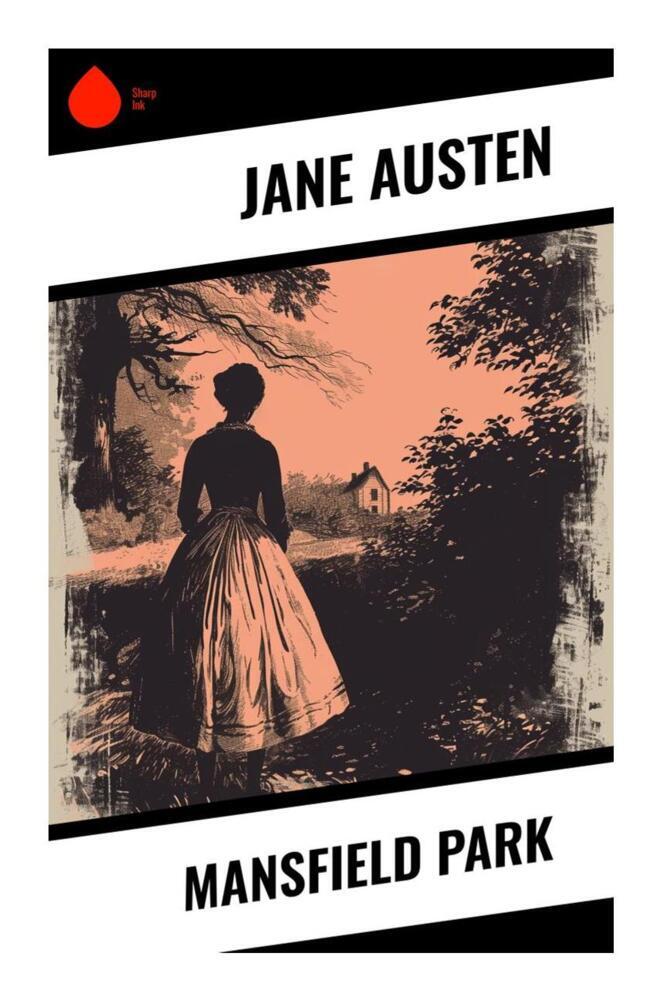
Mansfield Park is Jane Austen's most morally searching novel, tracing Fanny Price's removal from impoverished Portsmouth to the grand but ethically compromised household of Sir Thomas Bertram. Through restrained irony, subtle free indirect discourse, and a plot centered on education, theatricality, courtship, and conscience, Austen interrogates gentility's dependence on wealth, performance, and colonial profits, while testing the claims of feeling against principled judgment. Published in 1814, after the brilliance of Pride and Prejudice, the novel reflects Austen's mature concern with social structures rather than merely romantic misapprehension. Her own position as a clergyman's daughter, economically dependent yet intellectually acute, informs Fanny's marginality and inward strength. Austen's familiarity with country-house life, naval mobility, evangelical seriousness, and the marriage market sharpens her portrait of a society polished on the surface but morally unstable beneath it. Readers seeking the sparkling comedy of Austen's earlier fiction will find here a sterner, more demanding achievement. Mansfield Park rewards patience: its quiet heroine, intricate moral architecture, and unsentimental scrutiny of privilege make it indispensable for understanding Austen's range. It is especially recommended to those interested in ethics, class, gender, and the hidden costs of social refinement.