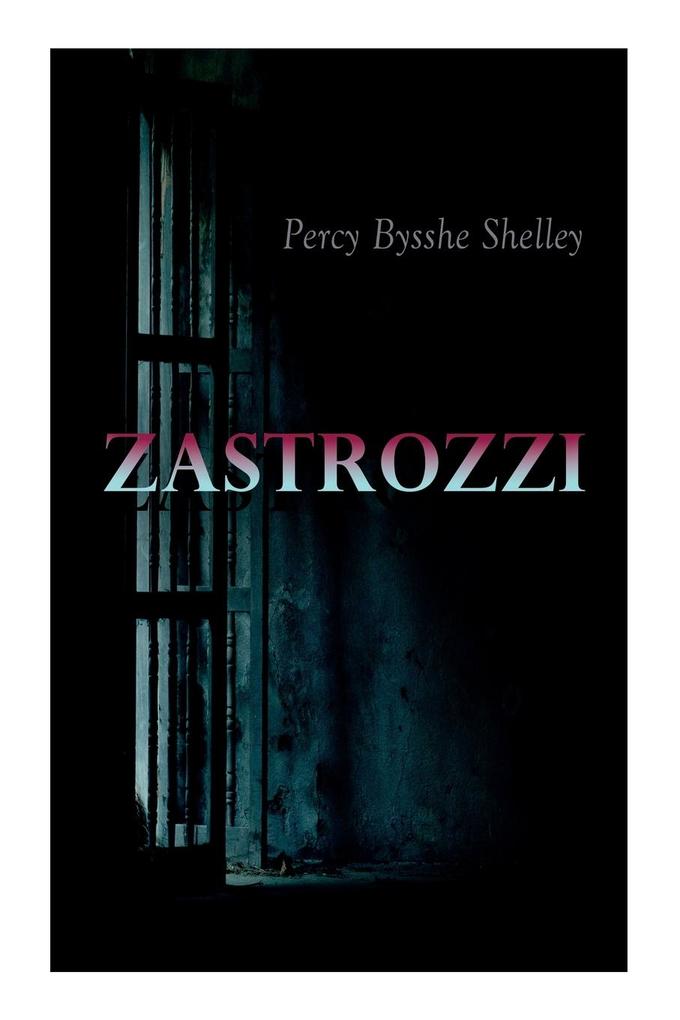
In "Zastrozzi," Percy Bysshe Shelley crafts a gothic tale that intricately explores themes of passion, revenge, and the complexities of human morality. The novella, written in 1810, showcases Shelley's characteristic lyrical style, replete with vivid imagery and philosophical musings. The narrative follows the villainous Zastrozzi, whose obsessive quest for vengeance against the father of a woman he loves ultimately leads him through a dark odyssey of self-destruction. This work is situated within the broader Romantic literary context, reflecting the era's preoccupation with the supernatural and the tumultuous human psyche. Shelley, a central figure in the Romantic movement, was profoundly influenced by the political and social upheavals of his time. His own life, marked by personal tragedies and societal challenges, deeply informs the moral and existential quandaries presented in "Zastrozzi." Shelley's experiences of love, loss, and rebellion resonate through his characters and plot, making the novella a powerful reflection of his own beliefs and struggles against the constraints of contemporary society. Readers who appreciate gothic romance and psychological depth will find "Zastrozzi" an engaging and thought-provoking read. Shelley's early exploration of dark themes offers a glimpse into his later, more mature works, and invites contemplation on the nature of ambition, morality, and the human condition.