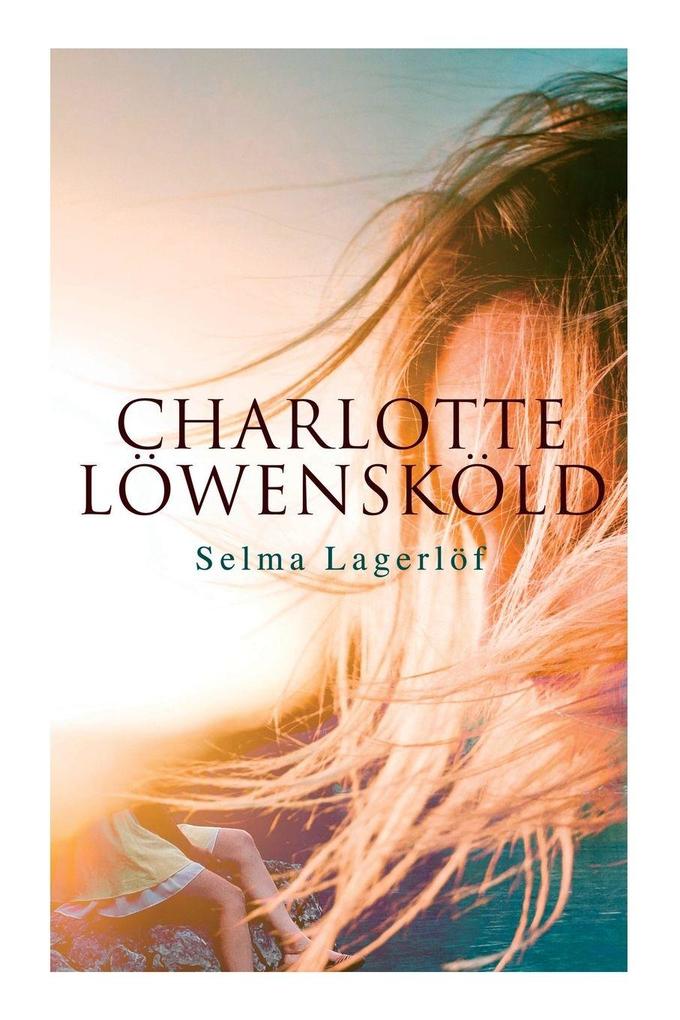
In "Charlotte Löwensköld," Selma Lagerlöf weaves a poignant narrative set against the backdrop of 19th-century Sweden, exploring themes of love, sacrifice, and the complexities of human relationships. This novel, imbued with Lagerlöf's characteristic lyrical prose, reflects her deep engagement with Swedish folklore and social mores, blending realism with romantic idealism. The story revolves around Charlotte, a woman caught between societal expectations and her own desires, illustrating the often tumultuous journey toward self-discovery and fulfillment. Lagerlöf's ability to create vividly drawn characters and explore their internal conflicts is on full display, inviting readers to reflect on their own lives through the lens of Charlotte's struggles. Selma Lagerlöf, the first woman to win the Nobel Prize in Literature, draws on her own experiences growing up in Sweden to inform her storytelling. Her fascination with the intersection of myth and reality, as well as her commitment to social issues, are evident in this work. Lagerlöf's unique perspective as a pioneering female author and her dedication to presenting the human experience through a complex, empathetic lens make this novel a significant addition to her oeuvre. For readers seeking a rich exploration of emotional depth and social commentary, "Charlotte Löwensköld" is an essential read. Lagerlöf's masterful storytelling and profound insights into the human condition offer a timeless reflection that will resonate with anyone who has grappled with the delicate balance between duty and desire.