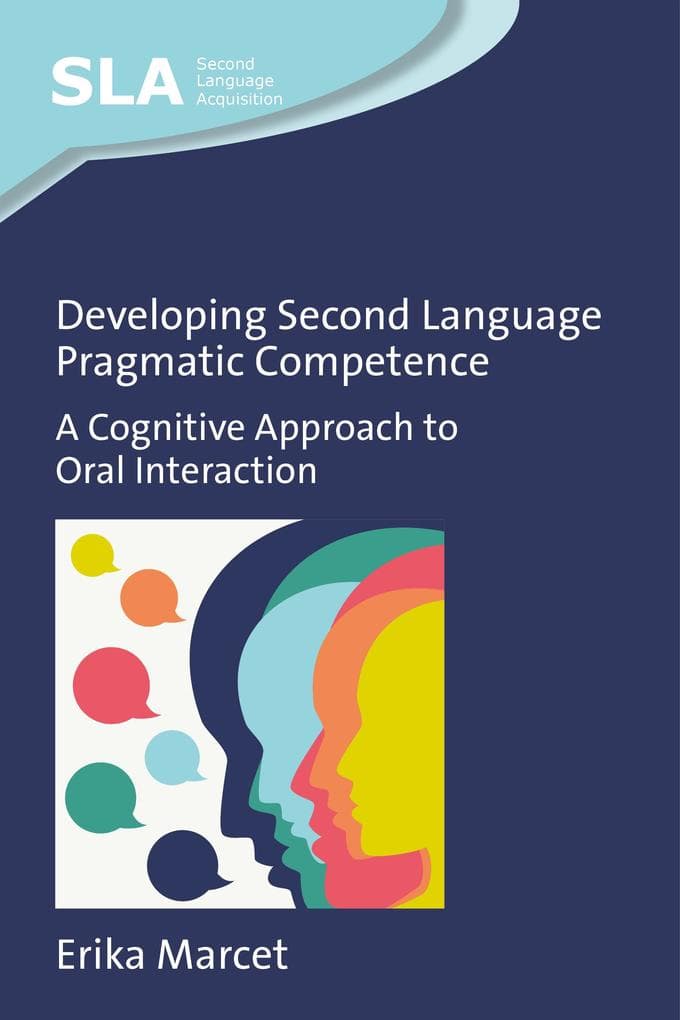
Pragmatic competence plays a key role in the era of globalization where communication across cultural boundaries is an everyday phenomenon. The ability to use language in a socially appropriate manner is critical, as lack of it may lead to cross-cultural miscommunication or cultural stereotyping. This book describes second language learners' development of pragmatic competence. It proposes an original theoretical framework combining a pragmatics and psycholinguistics approach, and uses a variety of research instruments, both quantitative and qualitative, to describe pragmatic development over one year. Situated in a bilingual university in Japan, the study reveals patterns of change across different pragmatic abilities among Japanese learners of English. The book offers implications for SLA theories, the teaching and assessment of pragmatic competence, and intercultural communication.