Xiao Hong was a Chinese writer and one of the most significant female authors of 20th-century Chinese literature. Born in Hulan, Heilongjiang province, she is known for her poignant and socially conscious works that depict the struggles of ordinary people, particularly women, against societal and historical turmoil. Her writings often explore themes of poverty, displacement, and the resilience of the human spirit amid oppression. Despite her short life, she left a lasting impact on modern Chinese literature.
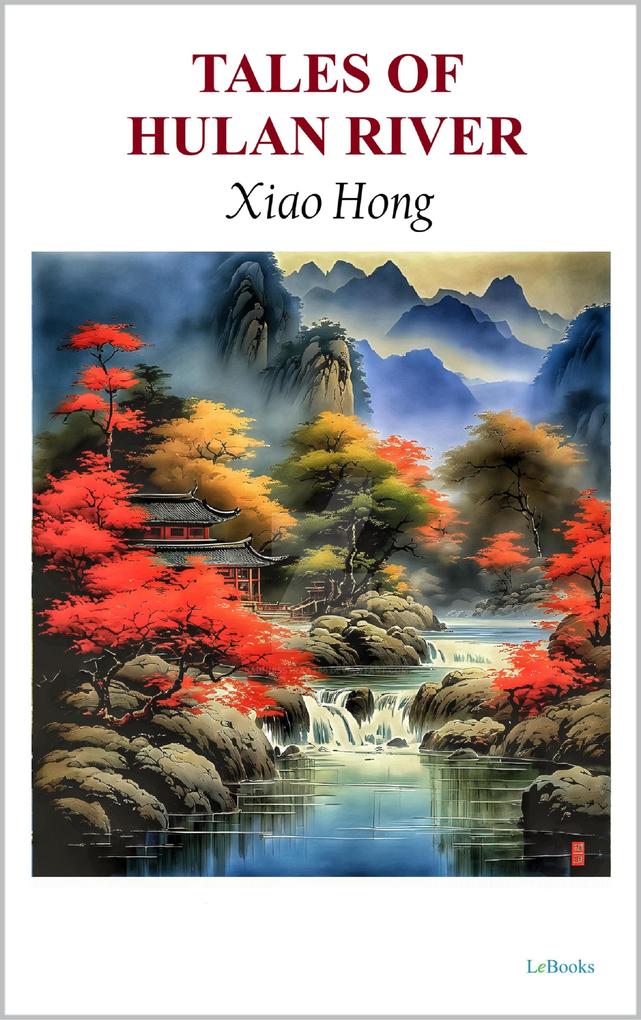
Xiao Hong's works provide a vivid and compassionate portrayal of the hardships faced by the lower classes, especially women, in early 20th-century China. Her debut novel, Field of Life and Death (1935), is considered a masterpiece of modern Chinese literature. The novel offers a stark and empathetic depiction of rural life and the suffering of women in a patriarchal society. Another notable work, Tales of Hulan River (1942), is an autobiographical novel that blends personal memory with social critique, capturing the essence of life in her hometown with lyrical and melancholic prose.
Xiao Hong's work was groundbreaking in its exploration of gender and class issues in China. She remains one of the most celebrated female writers of her time, inspiring generations of authors who sought to give voice to the marginalized. Her perspective on social suffering and human resilience made her a unique and powerful figure in Chinese literature.
Her literary contributions continue to be studied and admired, with her works adapted into films and plays, keeping her legacy alive. Despite the challenges she faced, her stories remain relevant, offering a deeply human and empathetic portrayal of life's hardships.