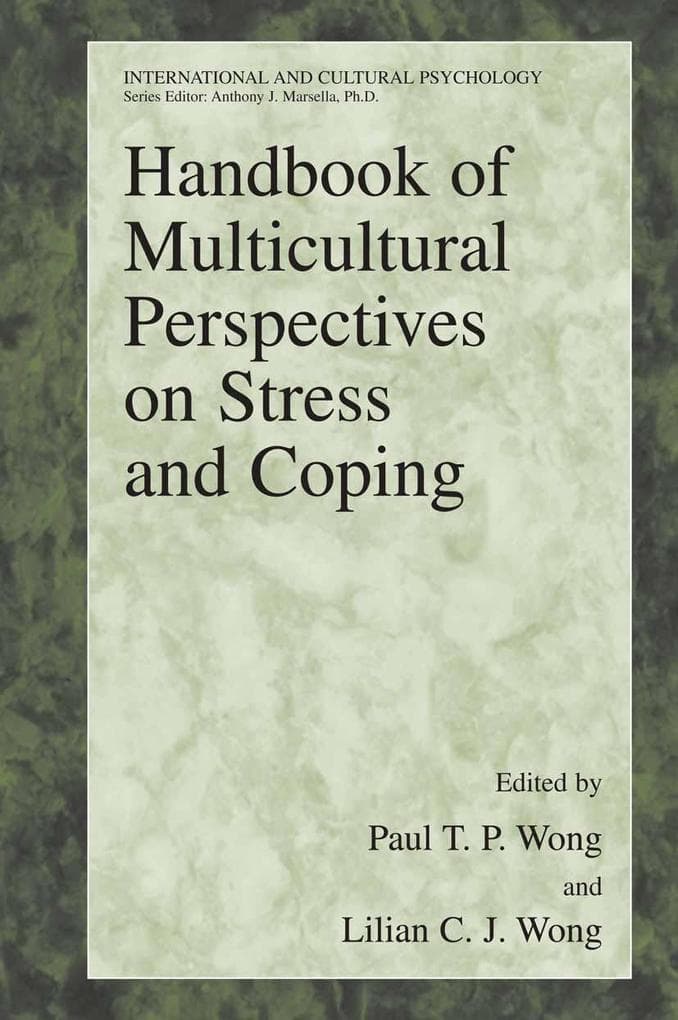
The Handbook of Assessing Variants and Complications in Anxiety Disorders assembles current findings on assessment methods and applies them to common complicating factors, including comorbid personality and behavioral problems. Chapters examine innovative approaches to assessment of anxiety in children and adults, provide leading insights into timely topics (e. g. , school refusal, self-injurious behaviors), and analyze strengths and weaknesses of widely used assessment tools. In clarifying the assessment process, contributors give readers a clear perspective on choosing treatment options in keeping with the trend toward targeted, evidence-based practice, and pinpoint needs for further research. The Handbook's coverage spans the anxiety spectrum, including areas such as:
- Assessment of social and generalized anxiety disorder.
- Neuropsychological assessment of obsessive-compulsive disorder.
- Intelligence testing and treatment planning with children.
- Assessment of substance abuse and dependence in anxiety disorders.
- Personality disorder assessment in clients with anxiety disorders.
- Functional assessment of comorbid and secondary disorders: identifying conditions for primary treatment.
The Handbook of Assessing Variants and Complications in Anxiety Disorders is an essential reference for researchers, scientist-practitioners, and graduate students in clinical child, school, and developmental psychology; social work; psychiatry; psychotherapy; counseling; and pediatrics. And its companion volume, the Handbook of Treating Variants and Complications in Anxiety Disorders, translates these findings to the next stage of care.
Inhaltsverzeichnis
Section I: Complexities in Assessment of Primary Anxiety Conditions
. - Chapter 1: Assessment of Social and Generalized Anxiety Disorder. - Chapter 2: Assessment and Treatment of Deficits in Social Skills Functioning and Social Anxiety In Children Engaging in School Refusal Behaviors. - Chapter 3: Assessment of Selective Mutism and School Refusal Behavior. - Chapter 4: Neuropsychological Assessment of Obsessive-Compulsive Disorder. - Chapter 5: Assessment of Tics and Comorbid Obsessive-Compulsive Symptoms. - Chapter 6: Intelligence Testing and Treatment Planning with Children. -
Section II: Complexities in Assessment of Personality and Behavioral Disturbance Associated with Anxiety Conditions
. - Chapter 7: Assessment of Substance Abuse and Dependence in Anxiety Disorders. - Chapter 8: Functional Assessment of Comorbid and Secondary Disorders: Identifying Conditions for Primary Treatment. - Chapter 9: Assessment of Suicidal and Non-Suicidal Self-Injury in Anxiety Disorders. - Chapter 10: Assessment of Anxiety Symptoms Using the MMPI-2, MMPI-2-RF, and MMPI-A. - Chapter 11: Anxiety Disorders & Evidence-Based Practice: The Role of Broadband Self-Report Measures of Personality in Diagnosis, Case Conceptualization & Treatment Planning. - Chapter 12: Contemporary Personality Disorder Assessment in Clients with Anxiety Disorders. - Chapter 13: Projective Personality Assessment of Anxiety: A Critical Appraisal. - Chapter 14: Assessment of Insight and Overvalued Ideation in Obsessive-Compulsive Disorder. - Chapter 15: Assessment of Disruptive Behavior Disorders in Anxiety. - Chapter 16: Assessing Complexities in Anxiety Disorders: Consideration of Future Directions.