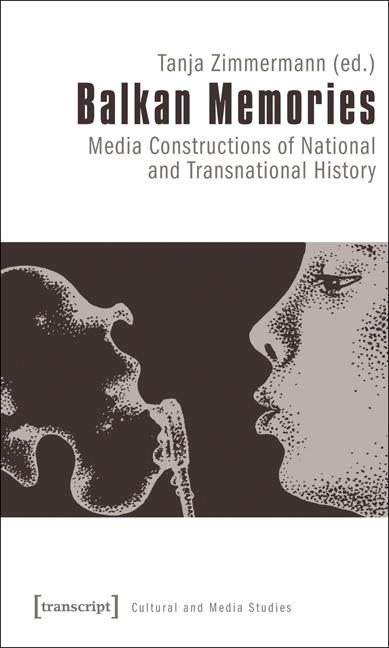
South-eastern Europe is still characterized by social unrest today. This volume deals with trans-national and national remembrance cultures in their similarities and differences from the 19th century until the post-Yugoslav era.
This book gives an insight into the media constructions of historical remembrance reflecting transnational, national or nationalistic forms of politics. Authors from post-Yugoslavia and neighbouring countries focus on the diverse transnational (such as Austro-Hungarian, Yugoslav etc.) and national (such as Bosnian, Croatian, Serbian etc.) memory cultures in South-Eastern Europe, their interference and rivalry. They examine constructions of memory in different media from the 19th century to recent wars. These include longue durée images, breaks and gaps, selection and suppression, traumatic events and the loss of memory, nostalgia, false memory, reactivation, rituals and traces of memory.