Bücher versandkostenfrei*100 Tage Rückgaberecht***Abholung in über 100 Filialen
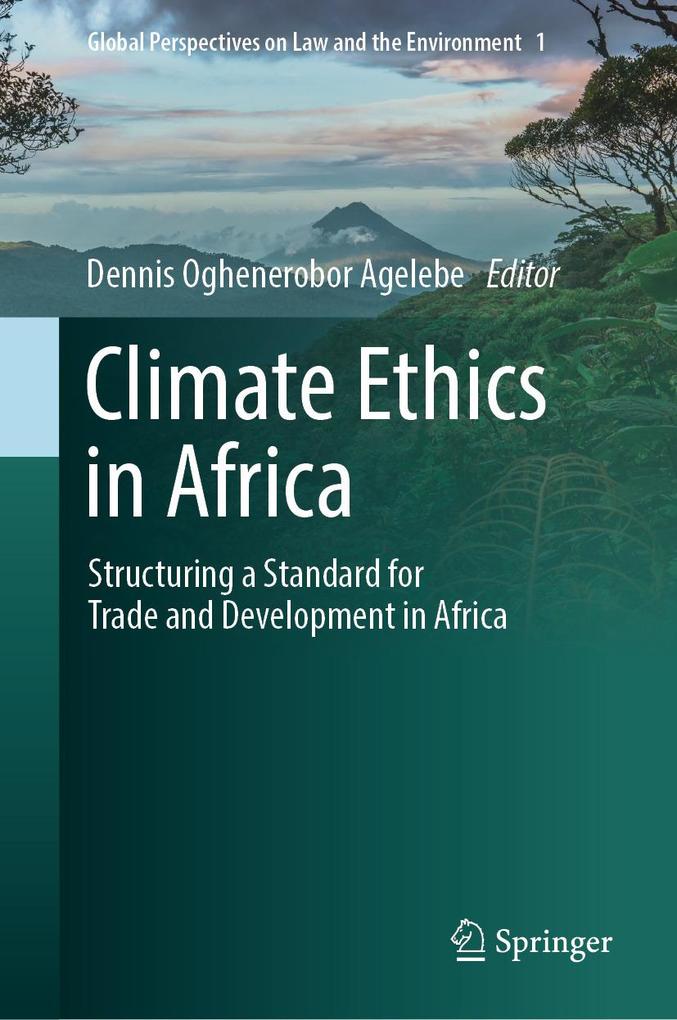
The book is a groundbreaking collaborative effort authored by a diverse team of academic scholars and experts. Contributors hail from various corners of Africa and one esteemed scholar from Asia. This dynamic collaboration brings together a wealth of perspectives, enriching the discourse on the ethical dimensions of climate-conscious trade and sustainable development in Africa. Comprising thirteen thought-provoking chapters, this comprehensive work explores the intricate relationship between climate ethics, trade policies, and development strategies on the African continent. The authors delve into the complexities of ethical considerations within Africa's trade landscape, providing a nuanced analysis of how these considerations can shape the trajectory of sustainable development. The book not only navigates the uncertainties highlighted in the UN-commissioned Millennium Ecosystem Assessment but also takes on the crucial task of examining the interactions between indigenous knowledge systems and climate change adaptation. The resulting insights are dynamic, location-specific, and responsive to diverse drivers, offering a holistic understanding of the ethical challenges and opportunities that characterize the African trade and development landscape. An outstanding feature of this collaborative effort is the inclusive approach to the subject matter. The co-authors draw from their diverse expertise, weaving together insights from environmental ethics, political science, and development studies. This interdisciplinary approach ensures a well-rounded exploration of the moral imperatives guiding sustainable trade practices, making the book accessible to scholars and practitioners in the field. The exploration of African metaphysics and ethics within the context of climate change adds a unique and culturally rich dimension to the book. By synthesizing indigenous knowledge with contemporary ethical theories, the authors provide a bridge between tradition and modernity, offering a foundation for structuring ethical standards that resonate with the African experience. The book is a beacon of optimism and a roadmap for a more ethically grounded approach to African trade and development. With its insightful analyses, innovative proposals, and diverse authorship, this book is poised to become an essential resource for academics, policymakers, and anyone interested in the ethical dimensions of climate-conscious trade in Africa.
Inhaltsverzeichnis
1. Climate Ethics in Africa' s Development Framework: Examining the Status Quo. - 2. Trade and Development in Africa: Does Climate Ethics Matter? . - 3. Socio-economic and Environmental Impacts of Climate Change in the Horn of Africa: The Need for Climate Action and Transboundary Cooperations. - 4. Mitigating Future Climate Change Crises Through Teaching Climate Ethics at Universities in Africa. - 5. Application of Free Trade Pact for Climate Action: The Agreement Establishing the African Continental Free Trade Area. - 6. AFCTFA: A Catalyst for Green Tourism In Africa. - 7. Climate Change and Nigeria' s Narrative Impacts, Policies, and Challenges. - 8. Work Practices in Nigeria: Environmental Health and Development Implications. - 9. The Efficacy of Climate Change Adaptation Strategies for Enhancing Trade and Economic Development In Kenya. - 10. Climate change policies in Southeast Asia and African countries: Approaches to trade and development. - 11. Implementing Climate Standards in the African Continental Free Trade Area (AfCFTA): Progressive and Precautionary Lessons from the European Union. - 12. Intellectual Property and Access to Green Technology in Economic Community of West African States: Issues, Challenges and the Way Forward. - 13. The relevance of the African Court on Human and Peoples Rights in addressing climate change in Africa: A critical assessment.
Es wurden noch keine Bewertungen abgegeben. Schreiben Sie die erste Bewertung zu "Climate Ethics in Africa" und helfen Sie damit anderen bei der Kaufentscheidung.