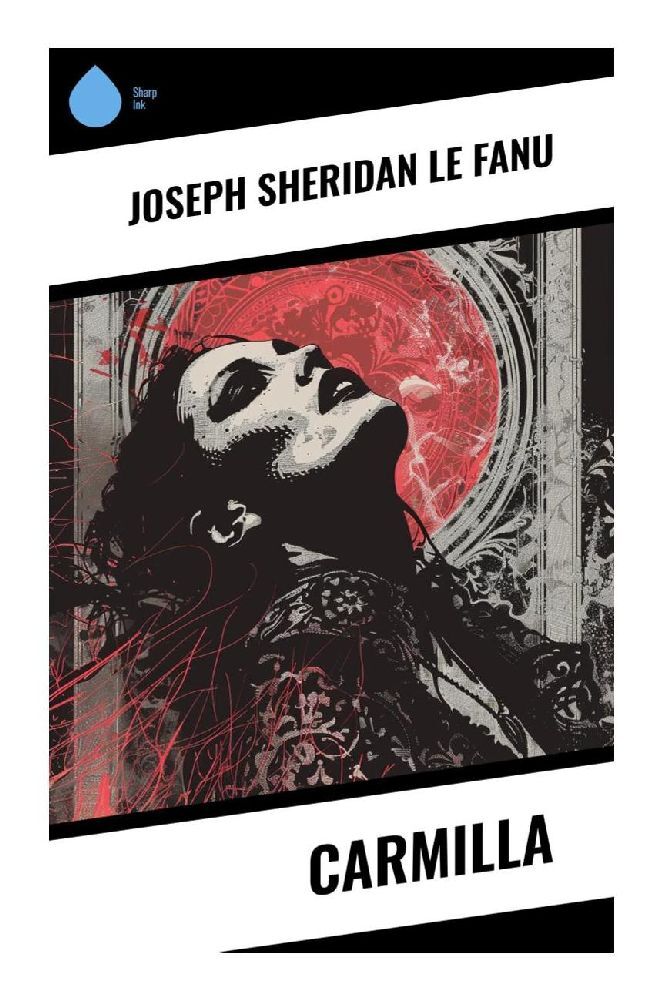
First published serially in 1871-72, Carmilla is a foundational work of Gothic vampire fiction, predating Dracula by a quarter century and shaping many of the genre's enduring conventions. Framed through the retrospective testimony of Laura, its atmosphere is one of languor, secrecy, and steadily intensifying dread. Le Fanu's prose is elegant, insinuating, and psychologically suggestive, using the isolated Styrian castle, dreamlike visitations, and ambiguous desire to explore fear, intimacy, and predation within a distinctly Victorian Gothic context. Joseph Sheridan Le Fanu, an Irish writer and editor, was one of the nineteenth century's great masters of supernatural fiction. His background in Anglo-Irish society, journalism, and antiquarian interests informed his fascination with inheritance, buried histories, and unstable identities. In Carmilla, these concerns converge with contemporary anxieties about female sexuality, aristocratic decay, and the limits of rational explanation, producing a tale both sensational and remarkably subtle. This novella is highly recommended to readers interested in Gothic literature, vampire mythology, queer literary history, and the evolution of horror fiction. Compact yet richly layered, Carmilla rewards close reading and remains essential for understanding the imaginative world from which modern vampire narratives emerged.