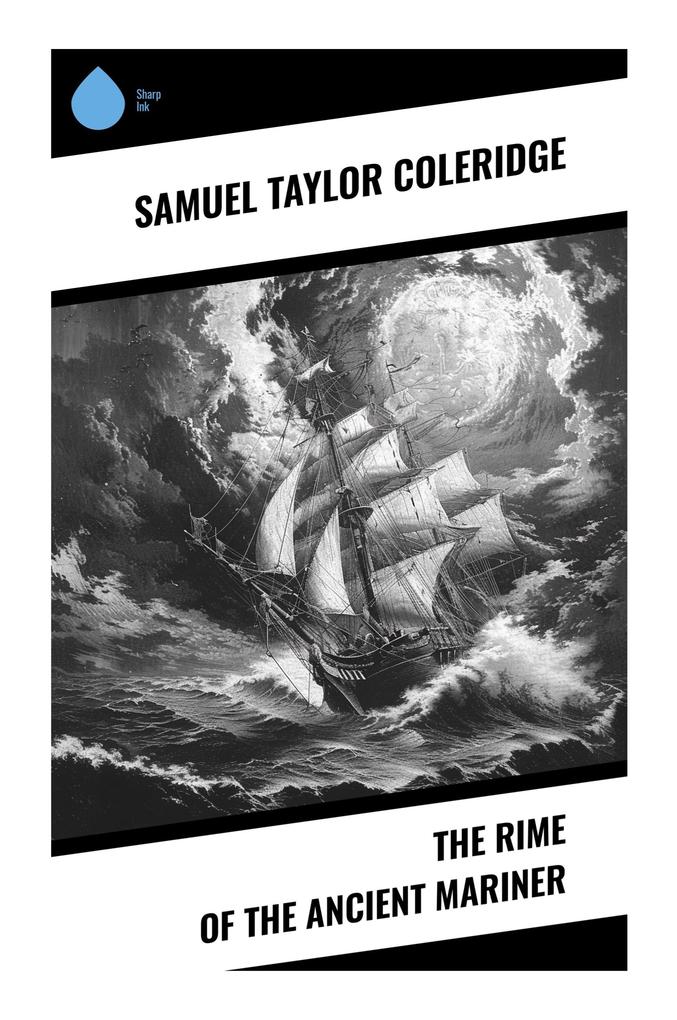
The Rime of the Ancient Mariner is a visionary ballad of transgression, suffering, and spiritual awakening. Framed as the compulsive testimony of a weathered sailor to a wedding guest, the poem fuses Gothic terror, Christian symbolism, and supernatural adventure with the archaic diction and musicality of traditional balladry. Its haunting imagery-the albatross, the spectral ship, the becalmed sea-places it at the heart of British Romanticism's fascination with imagination, guilt, nature, and the unseen powers governing human life. Samuel Taylor Coleridge, one of the central figures of the Romantic movement, composed the poem for Lyrical Ballads, the 1798 volume produced with William Wordsworth that helped redefine English poetry. Coleridge's philosophical interests, religious anxieties, and fascination with dreams, folklore, and psychological states all inform the Mariner's ordeal. His own restless intellect and sensitivity to moral and metaphysical questions gave the poem its singular intensity. This poem is essential reading for anyone interested in Romantic literature, symbolic narrative, or the origins of modern psychological poetry. It rewards both first-time readers and scholars with its strange beauty, moral ambiguity, and enduring meditation on reverence for all living things.