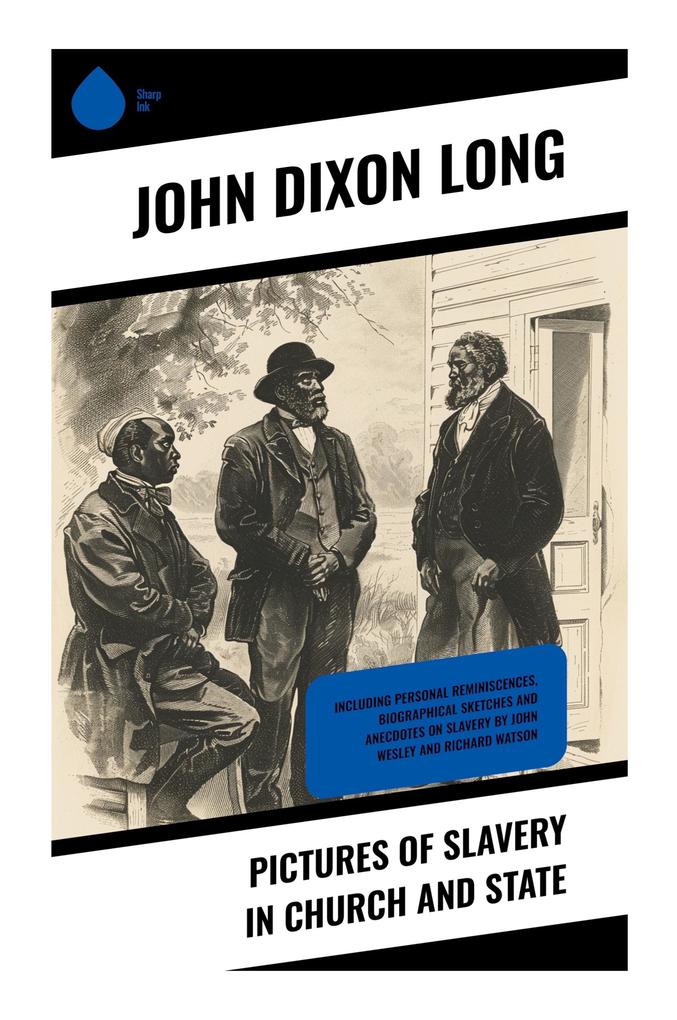
Pictures of Slavery in Church and State is a forceful antebellum abolitionist work that exposes the moral violence of slavery and the institutional compromises that sustained it. Combining eyewitness anecdote, documentary evidence, religious argument, and reformist invective, John Dixon Long presents slavery not as an isolated social evil but as a system embedded in law, commerce, domestic life, and ecclesiastical authority. Its style belongs to the urgent literature of nineteenth-century moral reform: vivid, accusatory, scriptural, and designed to awaken conscience rather than merely inform opinion. Long was a Methodist Episcopal minister whose vocation placed him at the center of the very religious culture he criticizes. His clerical training, pastoral experience, and familiarity with denominational politics sharpened his sense of the contradiction between Christian profession and slaveholding practice. Writing in a period when churches divided over slavery, Long addresses both the state's legal sanction of bondage and the church's failure to bear prophetic witness against it. This book is recommended for readers interested in abolitionism, American religious history, and the ethical crises preceding the Civil War. It remains valuable as a passionate primary document of conscience, revealing how antislavery writers sought to make complicity visible and morally intolerable.