Drawing on a rich collection of sources, Sumit Guha demonstrates how the ideology of indigenous cultures, developed in recent years out of the notion of a pure and untouched ethnicity, is in fact rooted in nineteenth-century racial and colonial anthropology. Challenging this view, he traces the processes by which the apparently immutable identities of South Asian populations took shape, and how these populations interacted with civilizations beyond their immediate vicinity. His penetrating critique will make a significant contribution to the history of South Asia and to the literature on ethnicity.
Inhaltsverzeichnis
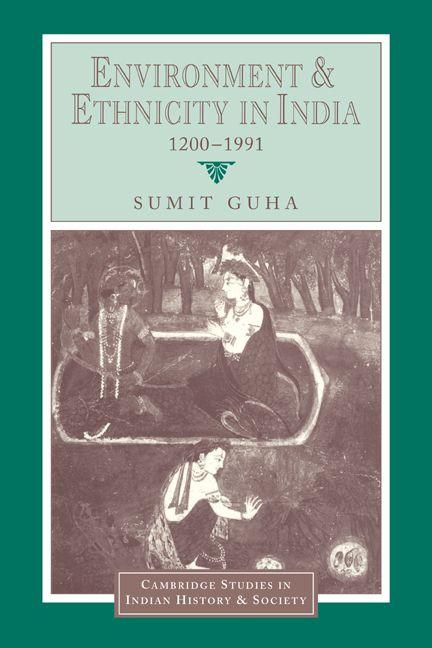
'Rama, Sita and Lukshmana in the forest'; List of maps; List of tables; Acknowledgements; Glossary; List of abbreviations; Introduction; 1. From the archaeology of mind to the archaeology of matter; 2. Subsistence and predation at the margins of cultivation; 3. State formation in the highland forests, 1350-1800; 4. The peoples of the Sahyadri under Marathas and British; 5. The central Indian forest from Mughal suzerainty to British control; 6. The central Indian forest under early British rule; 7. Identity and aspiration: not noble savage but savage noble; 8. The high colonial period and after: new patterns of authority and power; 9. From sanctuaries to safeguards: policies and politics in twentieth-century India; Conclusion; Afterword; Bibliography; Index.