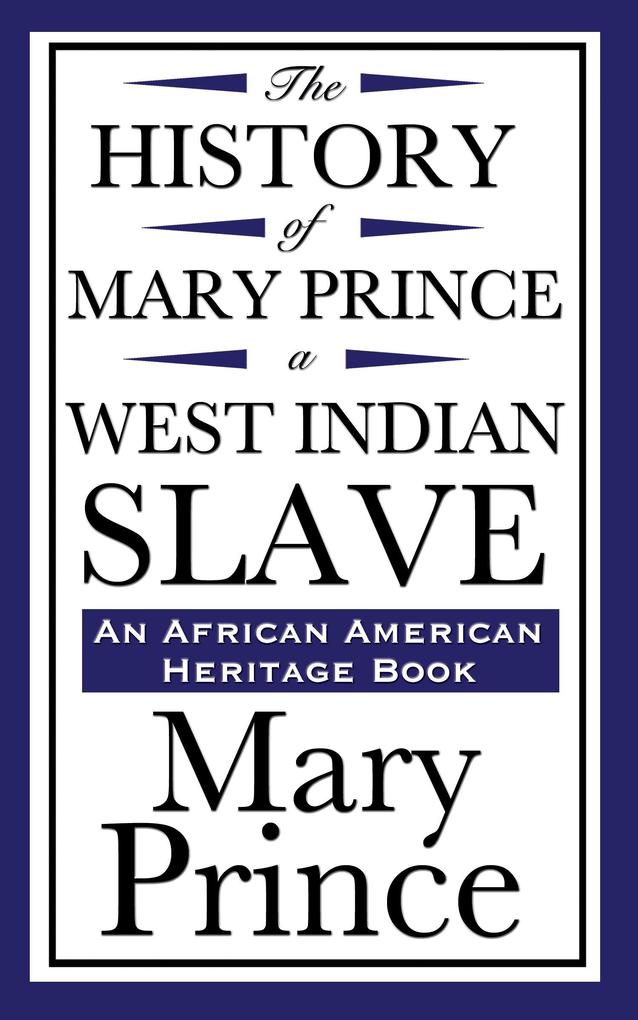
Mary Prince's firsthand account of slavery exposed British readers to the violence, cruelty, and human cost of bondage in the Caribbean.
Born into slavery in Bermuda, Mary Prince was repeatedly sold and forced to labor under brutal conditions in Bermuda, Grand Turk, and Antigua. In The History of Mary Prince, a West Indian Slave, she recounts separation from her family, exhausting physical labor, violent punishment, illness, resistance, and her determination to gain control over her own life.
After traveling to England with her enslavers, Prince left their household and sought help from the Anti-Slavery Society. Her story was recorded from her own testimony and published in 1831, at a critical moment in the British abolitionist campaign. It became the first published account of enslavement written by a Black woman in Britain and went through three printings during its first year.
Direct, vivid, and deeply personal, Prince's narrative reveals the particular dangers faced by enslaved women while preserving the voice of someone whom the system of slavery attempted to silence. The History of Mary Prince, a West Indian Slave remains an essential work of Black history, women's history, Caribbean history, and abolitionist literature.