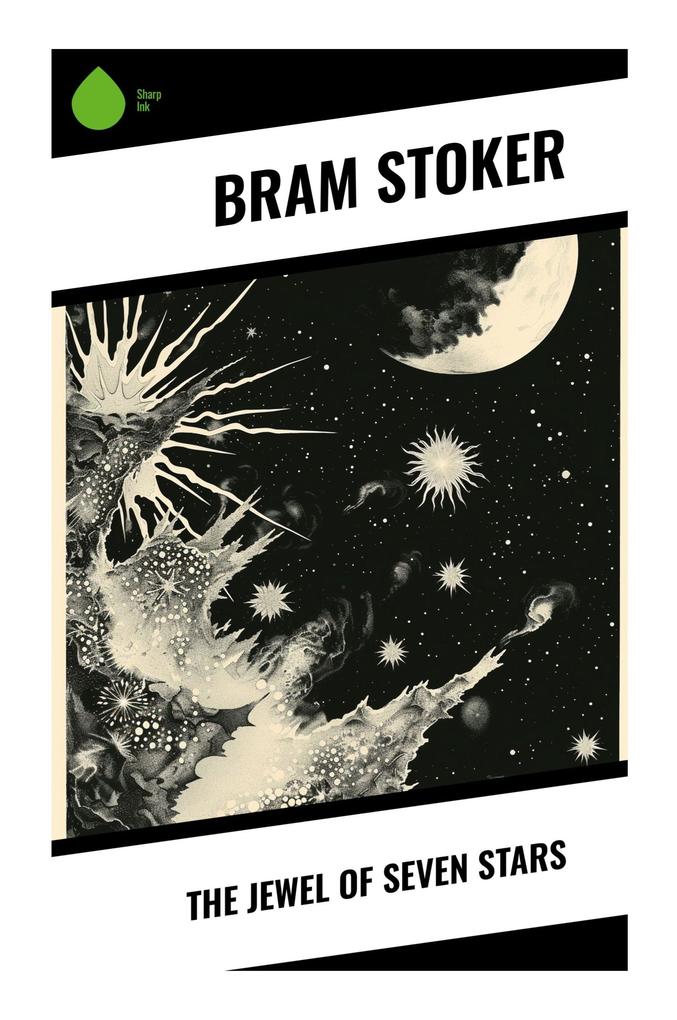
The Jewel of Seven Stars (1903) is Bram Stoker's eerie meditation on archaeology, occult science, and imperial desire, framed as a late-Victorian Gothic mystery. Through the lawyer Malcolm Ross and the enigmatic Margaret Trelawny, Stoker stages the attempted resurrection of the Egyptian Queen Tera, blending mummy fiction, supernatural suspense, and pseudo-scientific speculation. Its style is dense, atmospheric, and documentary, recalling Dracula in its accumulation of testimony, objects, and learned conjecture. Stoker, the Irish author best known for Dracula, wrote during a period fascinated by Egyptology, mesmerism, evolution, and the hidden powers supposedly concealed beneath modern rationalism. His long career in the theatre, especially as manager for Henry Irving, sharpened his sense of dramatic revelation and ritual spectacle. The novel reflects his recurring preoccupations: powerful women, ancient evil, scientific overconfidence, and the instability of identity. This book is recommended to readers interested in Gothic fiction beyond Dracula, particularly those drawn to mummy narratives, fin-de-siècle anxieties, and the uneasy meeting of scholarship and superstition. Though less polished than Stoker's masterpiece, it remains intellectually rich, strange, and memorably unsettling.