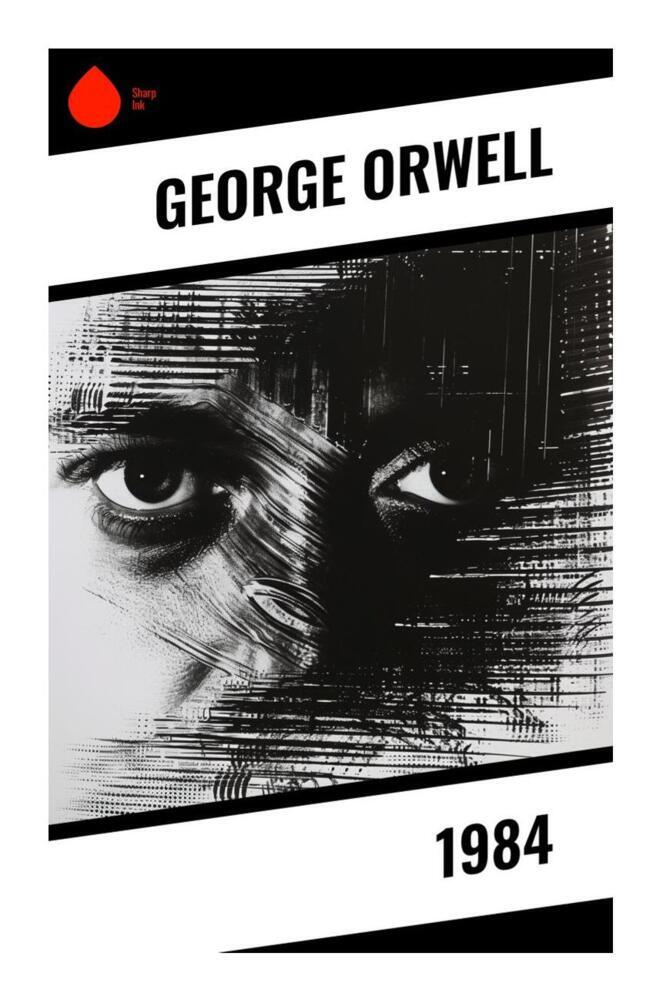
George Orwell's 1984 is a stark dystopian novel that imagines a totalitarian future in which the Party, led by the quasi-mythic Big Brother, controls language, history, memory, and desire. Through the fate of Winston Smith, a minor functionary who dares to doubt official truth, Orwell fuses political allegory with psychological realism. Its lucid, severe prose, shaped by satire and prophetic warning, places the novel within the tradition of anti-utopian literature while giving modern culture some of its most enduring terms: Newspeak, doublethink, and thoughtcrime. Orwell, born Eric Arthur Blair, brought to the novel a life marked by imperial service, poverty, journalism, and fierce opposition to both fascism and Stalinist communism. His experiences in Burma, among the working poor, and in the Spanish Civil War sharpened his distrust of concentrated power and ideological manipulation. 1984 reflects not abstract paranoia but a disciplined moral intelligence confronting the political catastrophes of the twentieth century. This book is essential for readers interested in literature, politics, and the fragile conditions of freedom. It remains indispensable not because it predicts a single future, but because it teaches vigilance against the corruption of truth itself.