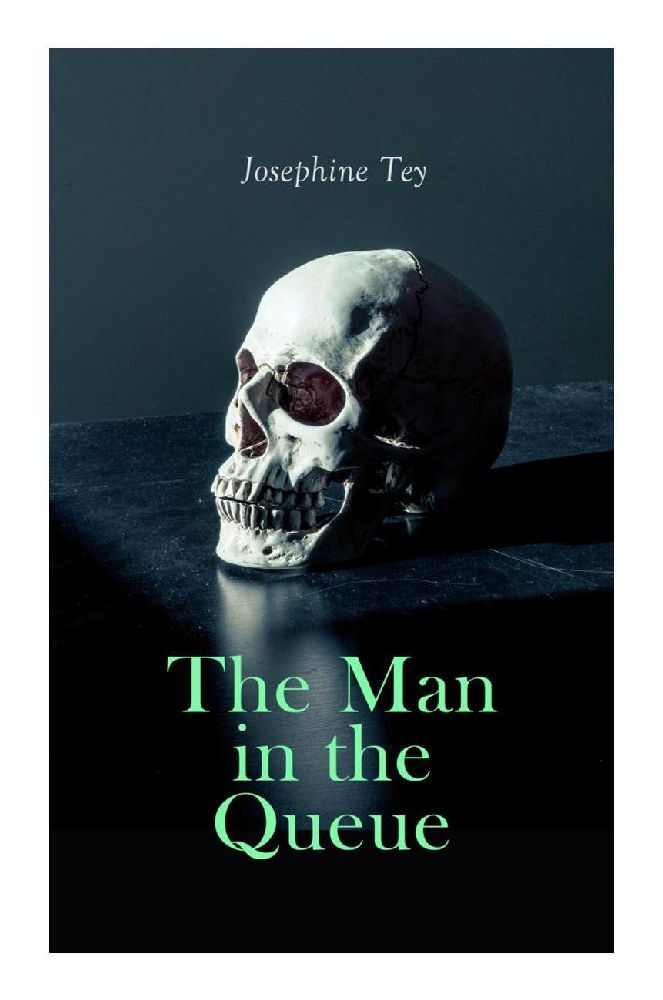
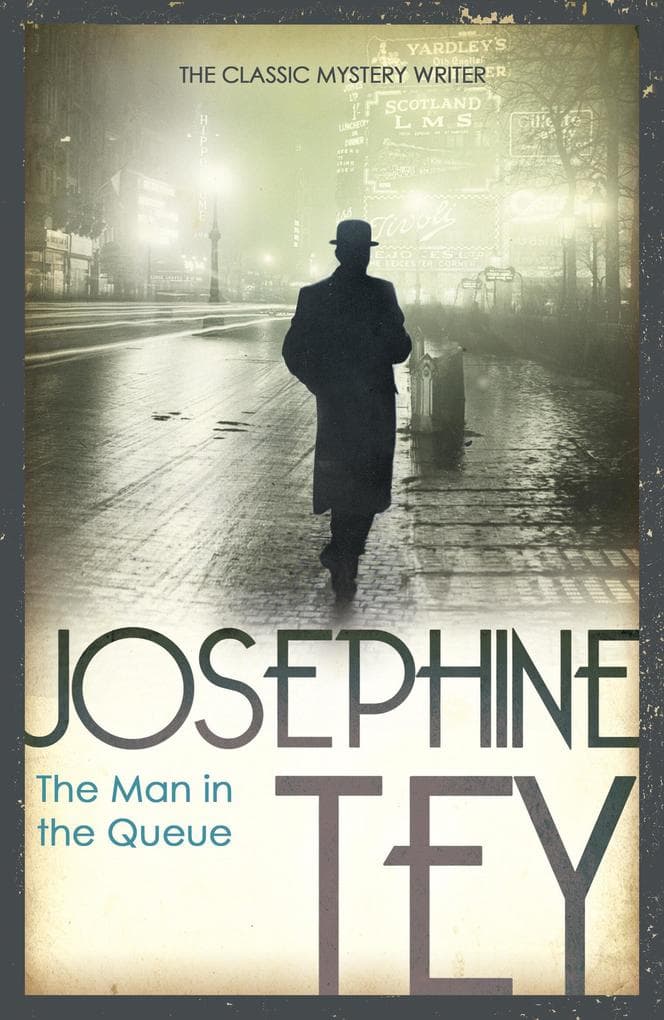
The Man in the Queue (1929) introduces Inspector Alan Grant with a bravura Golden Age premise: a man is found murdered while standing among a dense London theatre crowd, yet no witness has seen the fatal blow. Tey shapes the investigation through brisk, urbane prose, balancing clue-gathering with social observation, theatrical atmosphere, and excursions beyond London into Scotland. Less mechanically puzzle-bound than many contemporaneous detective novels, it already displays her interest in character, motive, and the treacherous narratives people construct around appearances. Josephine Tey was the crime-writing name of Elizabeth MacKintosh, a Scottish writer who also achieved success as the dramatist Gordon Daviot. Her familiarity with the stage, public performance, and the masks of social identity informs the novel's theatrical setting and its fascination with spectatorship. Trained as a physical education teacher and attentive to movement, bearing, and bodily evidence, she gives Grant's inquiry a distinctive observational texture, while her Scottish background enriches the novel's geographical and cultural range. Readers interested in classic detective fiction will find The Man in the Queue an essential beginning: not merely the debut of a memorable detective, but an early statement of Tey's subtle challenge to formula. It is especially recommended to those who value elegant prose, psychological nuance, and mysteries that question the reliability of first impressions.