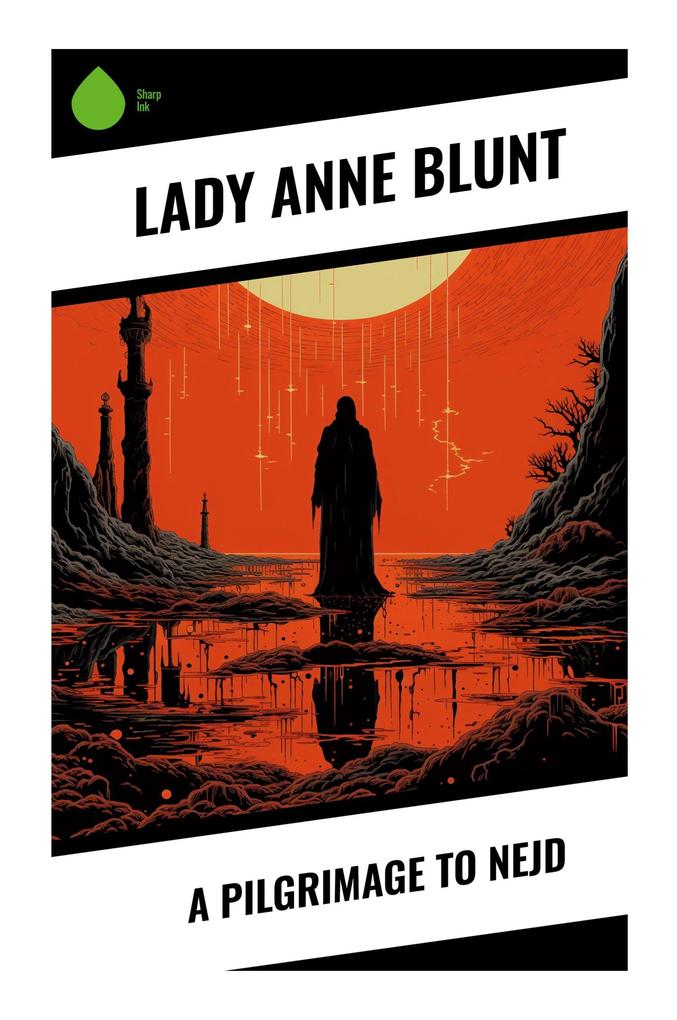
A Pilgrimage to Nejd is a richly observed account of Lady Anne Blunt's 1878-79 journey with Wilfrid Scawen Blunt into central Arabia, then little described by European travellers. Combining itinerary, ethnography, political observation, and equestrian expertise, the narrative moves from desert encampments to the court of Ha'il with a style at once precise, lucid, and quietly dramatic. Within the tradition of Victorian travel writing, it is distinguished by its unusual sympathy toward Bedouin society and its detailed attention to Arabian horses, tribal custom, and regional power. Lady Anne Blunt, granddaughter of Lord Byron and a gifted linguist, artist, and horsewoman, brought to the journey an uncommon mixture of aristocratic education, literary inheritance, and practical knowledge of the desert. With her husband she founded the Crabbet Arabian Stud, and her fascination with Arabian bloodlines clearly informs the book. Yet her observations extend beyond breeding: she records social manners, women's spaces, religious practices, and diplomacy with a sensitivity sharpened by experience rather than mere curiosity. This book is recommended to readers interested in Arabia, travel literature, colonial-era encounter, or the cultural history of the horse. It remains valuable not only as an adventurous narrative, but as a rare, intelligent, and comparatively humane Victorian portrait of Nejd before modern transformation.