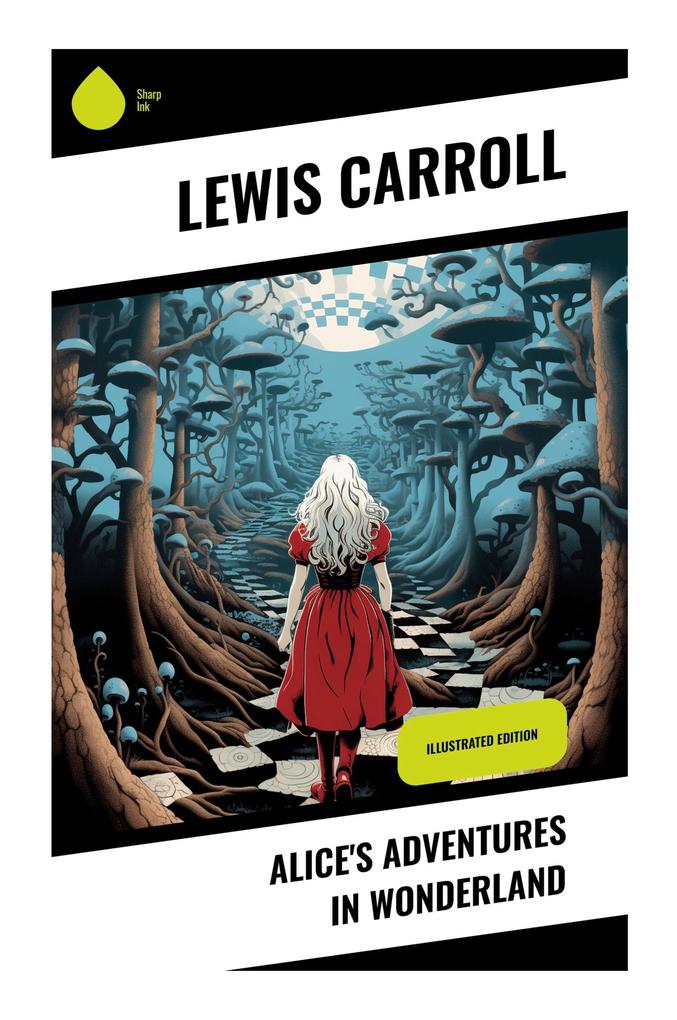
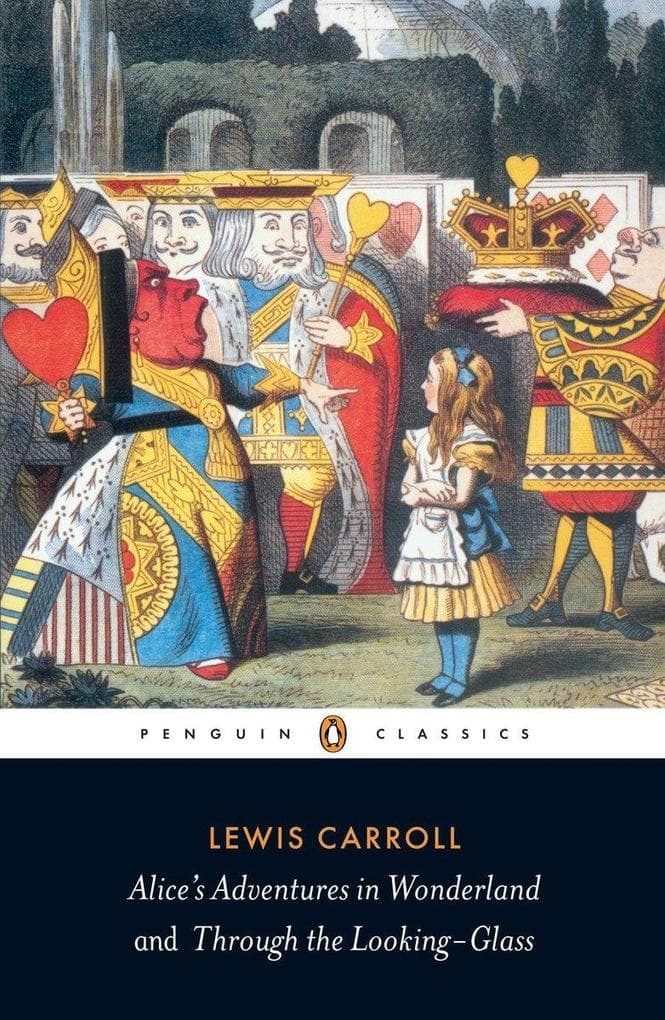
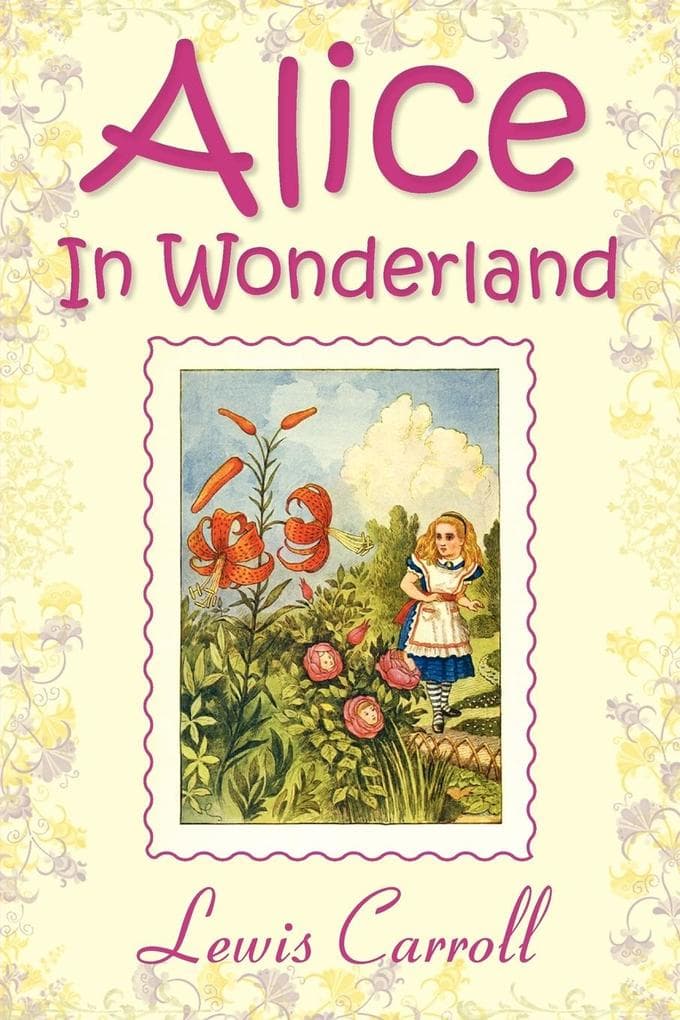
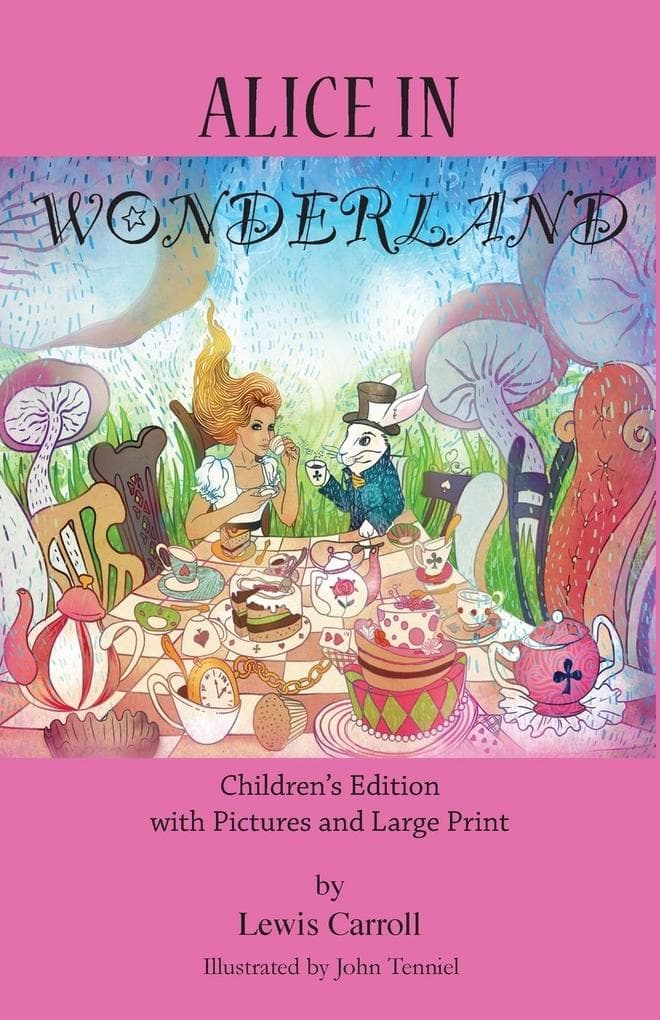
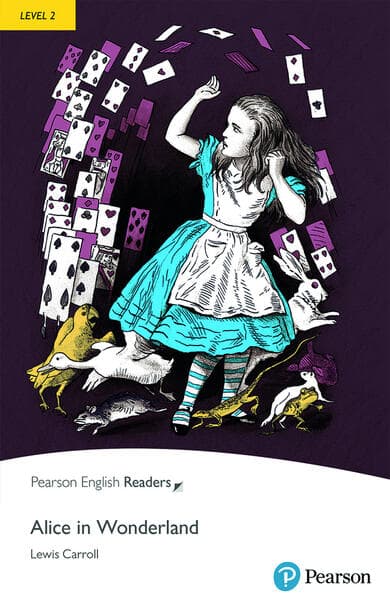
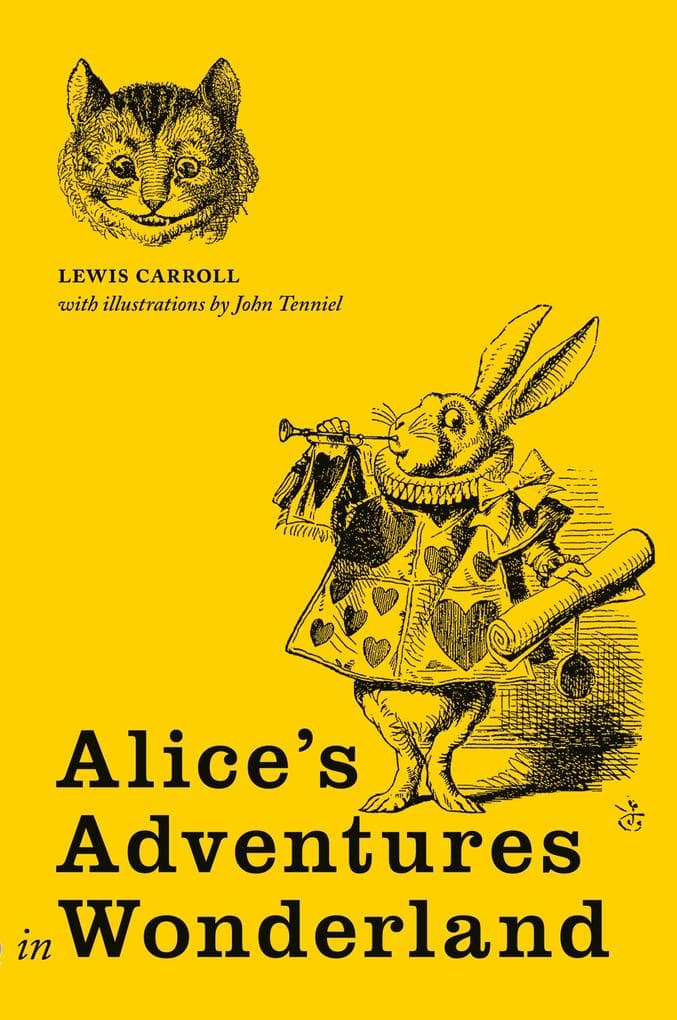
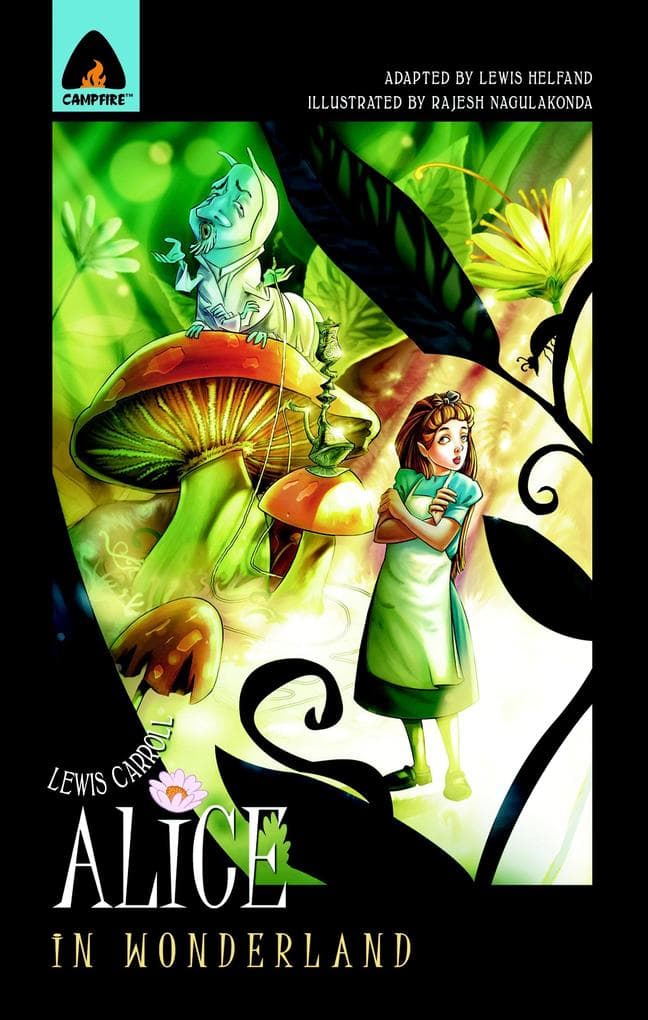
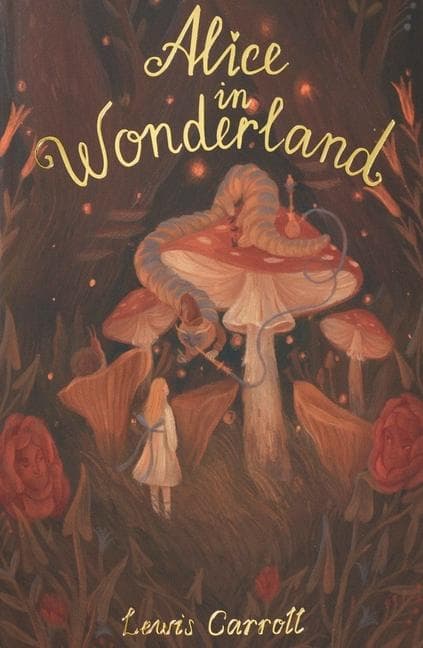
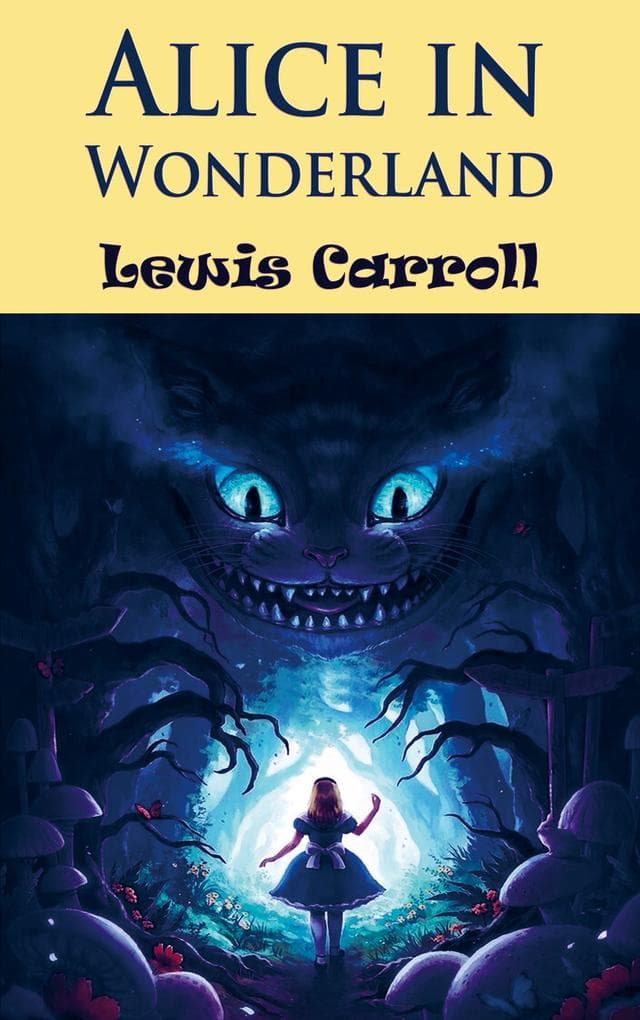
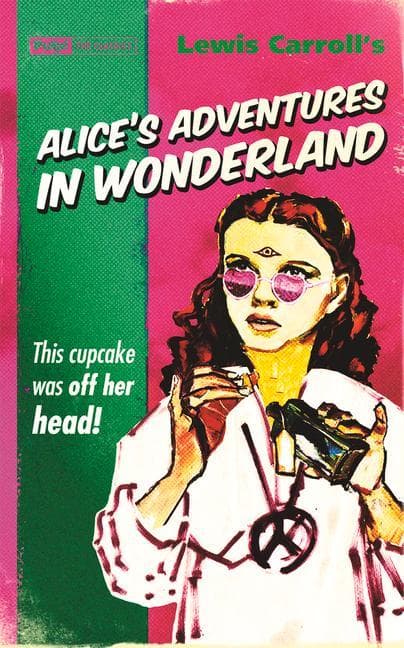
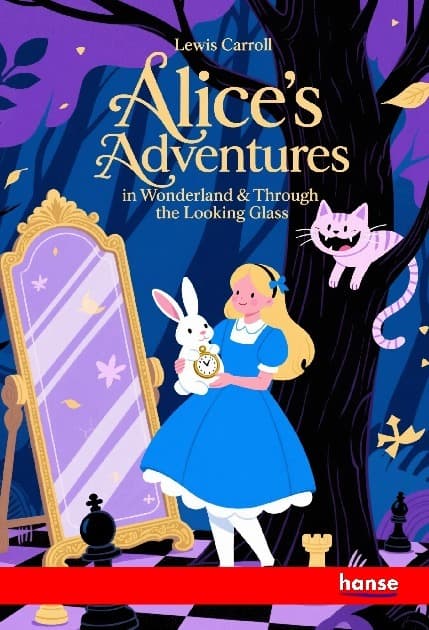
Alice's Adventures in Wonderland follows young Alice as she falls through a rabbit hole into a world governed by metamorphosis, paradox, and linguistic play. Its episodic encounters-with the White Rabbit, Cheshire Cat, Mad Hatter, Queen of Hearts, and others-transform the conventions of Victorian children's literature into a brilliant experiment in nonsense, satire, and dream logic. Carroll's prose combines mathematical precision with comic instability, exposing the absurdities of etiquette, education, authority, and language itself. Lewis Carroll was the pen name of Charles Lutwidge Dodgson, an Oxford mathematician, logician, photographer, and Anglican deacon. His intellectual training shaped the book's riddles, puns, inversions, and games of scale, while his gift for storytelling emerged from tales first improvised for Alice Liddell and her sisters. The result is not merely a children's fantasy but a work deeply informed by Victorian pedagogy, logic, and social ritual. This book is essential reading for anyone interested in fantasy, literary nonsense, childhood imagination, or the history of modern narrative. It rewards children with wonder and adults with inexhaustible interpretive complexity.