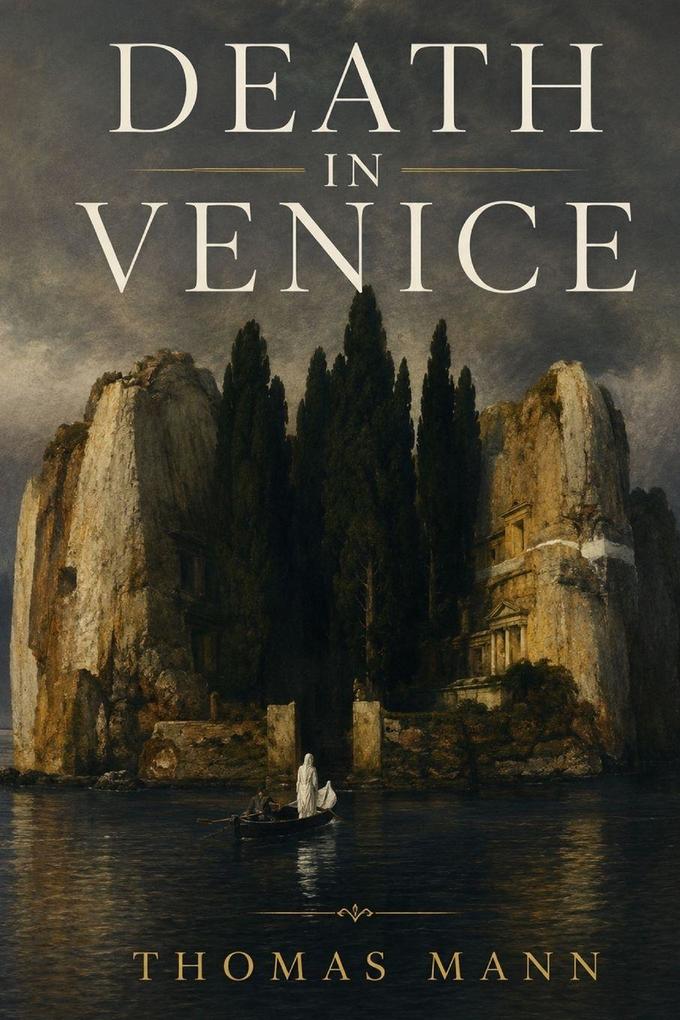
Death in Venice is Thomas Mann's haunting masterpiece of beauty, desire, and the fragile boundaries between reason and obsession. Gustav von Aschenbach, a celebrated German writer renowned for his discipline and artistic integrity, journeys to Venice seeking rest and renewal. There, he becomes captivated by Tadzio, an extraordinarily beautiful Polish youth whose grace awakens long-suppressed emotions and an overwhelming longing for ideal beauty.
As Aschenbach's fascination deepens, Venice itself undergoes a disturbing transformation. Beneath its dazzling canals, grand palaces, and seductive atmosphere lurks a deadly cholera epidemic that authorities desperately conceal. Refusing to leave despite the growing danger, Aschenbach surrenders to an all-consuming obsession that gradually erodes his dignity, self-control, and lifelong devotion to order.
First published in 1912, Death in Venice is one of the defining works of modern literature. Rich in classical symbolism and psychological insight, Mann explores the conflict between intellect and passion, art and life, discipline and desire. The novella's dreamlike imagery and profound philosophical themes have inspired generations of readers, critics, artists, and filmmakers.
Elegant, unsettling, and unforgettable, Death in Venice remains a timeless exploration of human longing, aesthetic perfection, mortality, and the devastating consequences of pursuing beauty beyond the limits of reason.