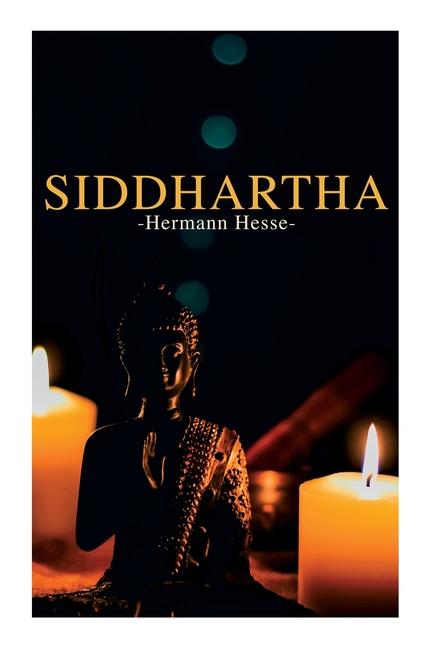
In "Siddhartha," Hermann Hesse crafts a profound narrative that explores the spiritual journey of its titular character, Siddhartha, as he seeks enlightenment and self-discovery in ancient India. Through a lyrical prose style that intertwines philosophical reflection with poetic imagery, Hesse delves into themes of duality, the nature of existence, and the quest for inner peace. The novel is set against the backdrop of the Brahmanic tradition, offering readers an intimate glimpse into the spiritual struggles of a young man who traverses a spectrum of experiences--from wealth and sensuality to asceticism and, ultimately, a deep connection with nature and humanity. Hesse, a German-Swiss author deeply influenced by his own spiritual explorations, integrates ideas from Eastern philosophy, particularly Buddhism and Hinduism, into his works. Drawing from his tumultuous life experiences, including the impact of World War I and his quest for personal authenticity, Hesse's commitment to exploring the inner workings of the human soul serves as a significant backdrop for "Siddhartha". His theatrical background and poetic sensibilities allow for a multifaceted portrayal of self-realization. This compelling tale is recommended for readers who are in search of a thoughtful examination of life's deeper questions. "Siddhartha" is not merely a coming-of-age story; it is a timeless meditation on the intersections of self and the universe, inviting readers to reflect on their journeys toward understanding and fulfillment.