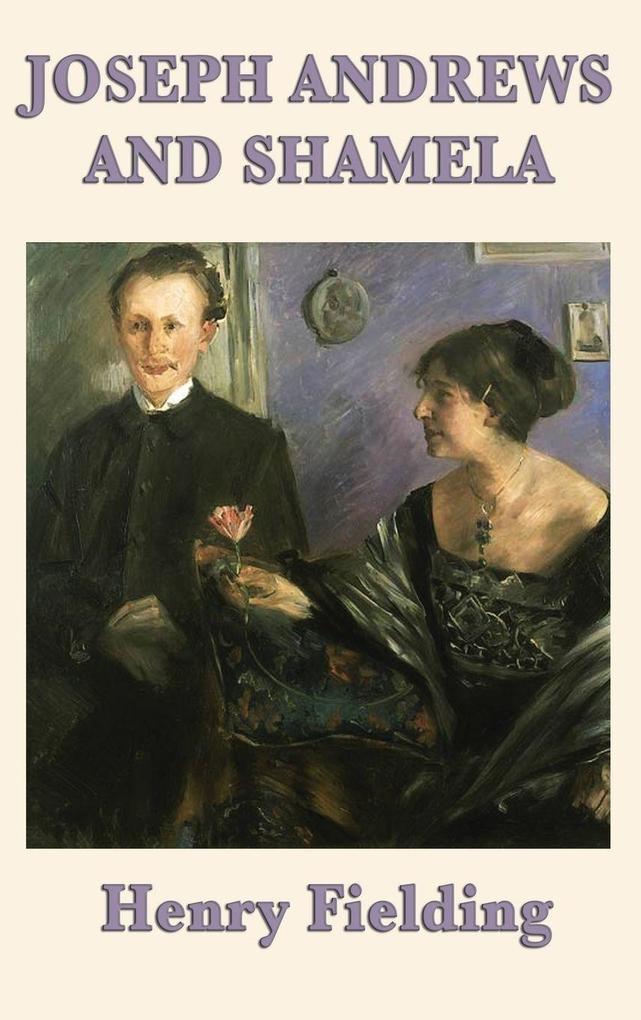
A brilliant fusion of satire and early English novel form, Joseph Andrews and Shamela brings together Henry Fielding's comic inversion of moral fiction with his full-length narrative of virtue, hypocrisy, and social absurdity. The volume opens with Shamela, a sharp and deliberately subversive parody of Samuel Richardson's Pamela, exposing what Fielding saw as the manipulative moral posturing beneath its surface. With wit and precision, he overturns sentimental conventions, replacing them with irony, candour, and biting social commentary.
Joseph Andrews expands this satirical impulse into a richly developed comic novel. Following the good-natured and morally steadfast Joseph, brother of Pamela, Fielding constructs a series of episodic encounters that reveal the pretensions, cruelties, and contradictions of eighteenth-century society. Alongside Parson Adams-one of Fielding's most memorable creations-the narrative moves through misadventure, generosity, and moral testing, blending farce with genuine ethical concern.
Taken together, these works mark a decisive moment in the development of the English novel. Fielding rejects rigid moral didacticism in favour of a more expansive and humane comic vision, where virtue is tested in the real world rather than merely asserted. The result is a work that is both entertaining and foundational, offering insight into the evolution of narrative form as well as the social landscape of its time.