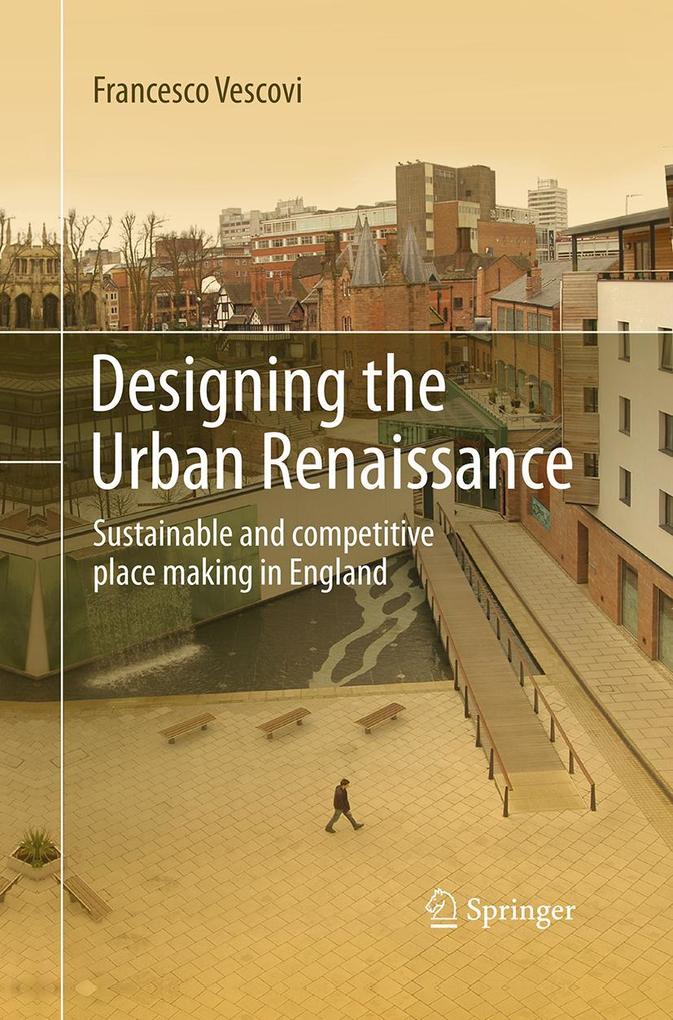
This detailed study of planning reforms in England, which aimed to reverse the decline of its cities and towns, focuses on urban design and assesses the social impact of 15 years of regeneration initiatives such as science parks and 'creative quarters'.
This book is an academic essay about the urban regeneration policies which have been changing the physical - and partly social - outlook of many English cities during the last 10-15 years, eventually giving birth to a process which is also known as 'Urban Renaissance'. The main focus is on urban design: the way it has been promoted by the government as an important means for delivering attractive places in more sustainable and competitive cities. The research describes the support given to local authorities for this purpose through new laws and powers, the publishing of planning and design manuals and the delivery of especially dedicated funds, bodies and programmes. It also explores the character and purpose of new developments such as scientific parks, creative/cultural quarters, retail and commercial dis-tricts, public realm works, describing recurring design rules and features.
Readers interested in urban policies, architecture and the built environment will find a concise yet comprehensive explanation, enriched by more than a hundred pictures, on why and how many towns and cities like Birmingham, Nottingham, Leicester or Sheffield have been changing during the last decade.
Inhaltsverzeichnis
Introduction. -The Recent Reform of the English Planning System. - New strategic drivers for the regeneration of cities. - Stakeholders, programmes, strategies. - Elements of design strategy. - The role of housing: city living, communities, places. - Conclusions: short notes on the English lesson.