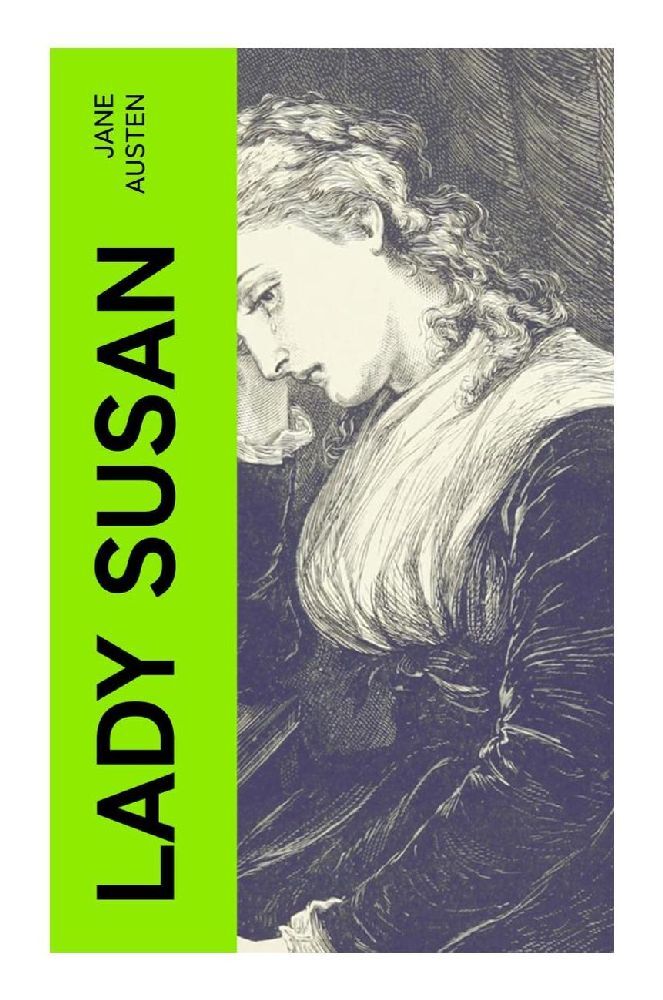
Lady Susan is a sharply wrought epistolary novella that follows the dazzlingly manipulative Lady Susan Vernon as she maneuvers through courtship, widowhood, and social obligation with predatory elegance. Composed largely through letters, the work reveals Austen's early mastery of irony, dialogue, and moral exposure, anticipating the social precision of her mature novels. Its brisk, theatrical style places it within the late eighteenth-century tradition of sentimental and epistolary fiction while subverting that tradition through a heroine whose charm is inseparable from calculation. Jane Austen wrote Lady Susan in the 1790s, before the publication of her major novels, at a time when she was testing narrative forms and scrutinizing the marriage market that governed women's prospects. Her intimate knowledge of provincial gentry life, family negotiations, and the limited economic agency available to women informs the novella's cool intelligence. Lady Susan herself may be read as one of Austen's most unsettling experiments: a woman who understands society's rules too well. This book is highly recommended for readers interested in Austen beyond Pride and Prejudice. Compact yet brilliant, it offers a darker, more satirical Austen and rewards anyone attentive to wit, power, and social performance.