Bücher versandkostenfrei*100 Tage Rückgaberecht***Abholung in über 100 Filialen
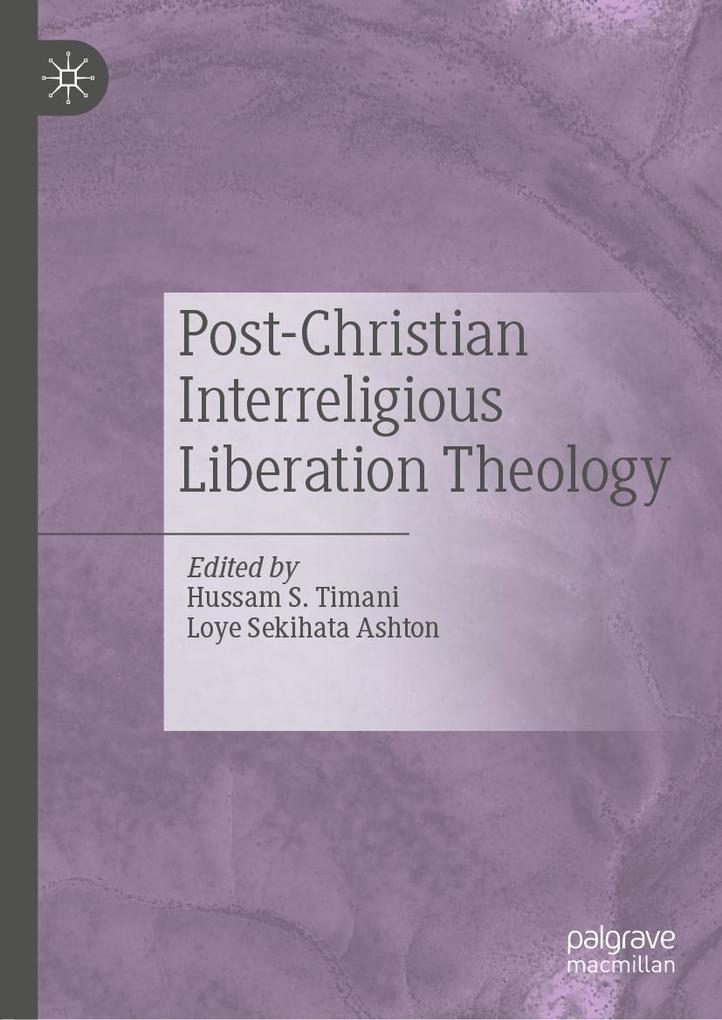
This book explores the ideals of liberation theology from the perspectives of major religious traditions, including Islam, Christianity, Judaism, Buddhism, and the neo-Vedanta and Advaita Hindu traditions. The goal of this volume is not to explain the Christian liberation theology tradition and then assess whether the non-Christian liberation theologies meet the Christian standards. Rather, authors use comparative/interreligious methodologies to offer new insights on liberation theology and begin a dialogue on how to build interreligious liberation theologies. The goal is to make liberation theology more inclusive of religious diversity beyond traditional Christian categories.
Inhaltsverzeichnis
1. Introduction. - 2. Confessing
Tawhid
and the Trinity: Toward a Christian-Muslim Liberation Theology. - 3. The Politics of Paradigms: Liberation and Difference in Islam and Christianity. - 4. Human Rights as `Law of Nations in Conversation with Contemporary Christian and Islamic Liberation Theologies. - 5. Fixing a God s Mess: Jewish
Tikkun Olam
and Interreligious Action. - 6. Work Is Worship Swami Vivekananda s Philosophy of
Seva
and its Contribution to the Gandhian Ethos. - 7. `Looking Upon All Beings As One s Self : Insights from Advaita Hinduism for Racial Justice within Christian Theology and Liberative Praxis. - 8. Envisioning a Dharmic Society: Re-telling a traditional Buddhist Tale. - 9. Decolonizing and Indigenizing Liberation Theology. - 10. Mississippi' s Voices Against Extremism Project: A Case Study in Inclusive Interfaith Leadership. - 11. Afterword.
Es wurden noch keine Bewertungen abgegeben. Schreiben Sie die erste Bewertung zu "Post-Christian Interreligious Liberation Theology" und helfen Sie damit anderen bei der Kaufentscheidung.