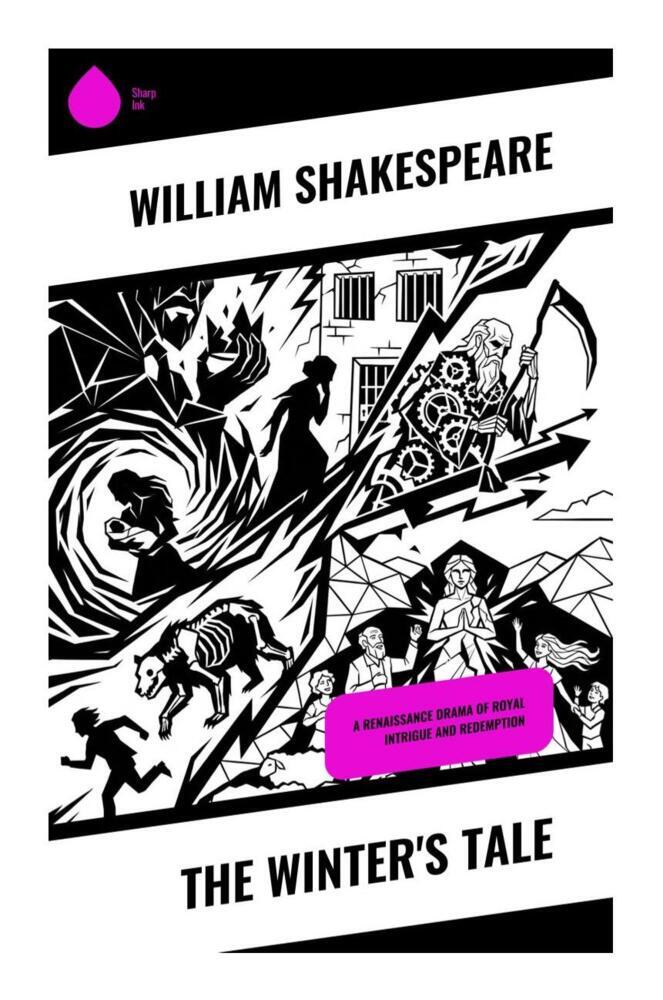
William Shakespeare's 'The Winter's Tale' is a compelling narrative that conjoins elements of tragedy and comedy, showcasing the playwright's adeptness at interweaving contrasting genres. This late Shakespearean romance unfolds with the tragic downfall of Leontes, the King of Sicilia, whose unfounded jealousy leads to family and kingdom-wide consequences. As the plot progresses, shifts in tone introduce elements of pastoral comedy and redemptive resolution, indicative of the genre's typical reconciliation themes. Shakespeare's masterful use of time as both a narrative device and character-from betrayal to forgiveness, and loss to reconciliation-reflects the fluidity of fate and destiny during the Jacobean era. William Shakespeare, renowned for his unparalleled contribution to English literature, often explored themes of jealousy, redemption, and the complexities of human emotions, as exemplified in 'The Winter's Tale.' Written in the twilight of his career, around 1610-1611, this play appears to draw inspiration from Robert Greene's prose romance 'Pandosto'. Shakespeare's transformation of source material into a tale rich with psychological depth hints at his matured understanding of human nature, possibly shaped by personal and professional experiences in both London and Stratford-upon-Avon. For readers seeking an exploration of the balance between human nature's darker proclivities and the possibility of redemption, 'The Winter's Tale' offers a profound experience. The play invites audiences to reflect on notions of time, forgiveness, and the inexorable return from desolation, all within an engagingly structured narrative. It remains a testament to Shakespeare's enduring ability to resonate with audiences through nuanced language and timeless themes, making it a vital addition to any literary enthusiast's exploration of classical works.