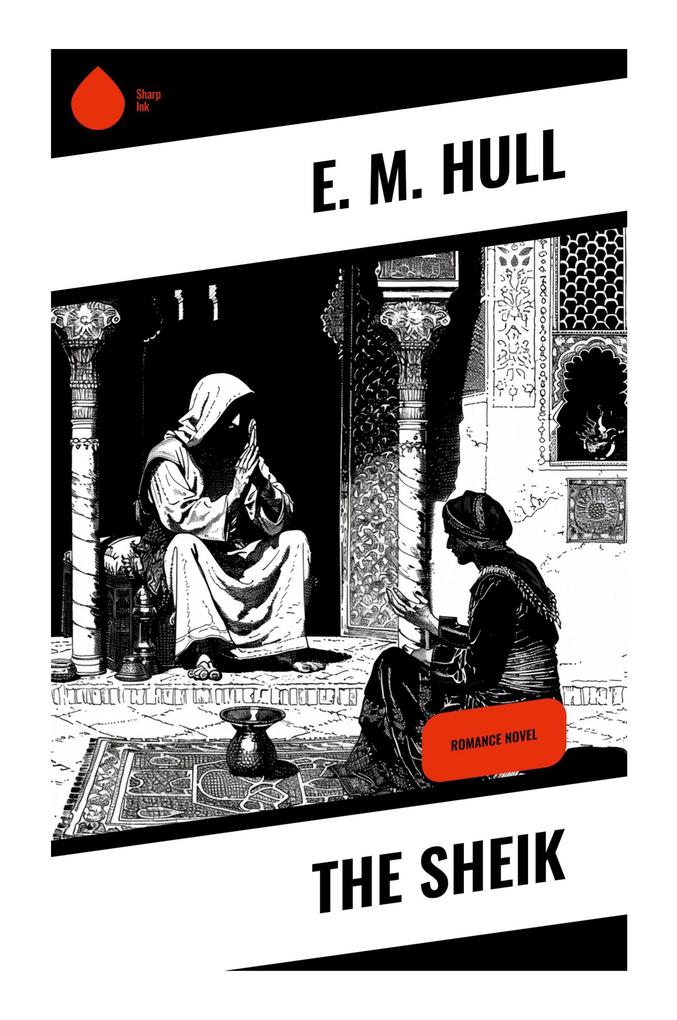
First published in 1919, The Sheik is a seminal work of the desert romance, following the fiercely independent Diana Mayo after her journey into the Algerian Sahara brings her under the domination of Ahmed Ben Hassan. Written in heightened, melodramatic prose, the novel blends adventure, erotic fantasy, and imperial exoticism. Its literary context is the post-Victorian popular romance market, where Orientalist settings enabled transgressive plots that both fascinated and unsettled contemporary readers. E. M. Hull, born Edith Maude Henderson in England, wrote from within the cultural atmosphere of wartime and postwar Britain, when distant landscapes and passionate escape held strong appeal. Though not a scholarly ethnographer of North Africa, she drew on the imaginative conventions of empire, travel writing, and popular fiction. Her work reflects both the constraints placed upon women writers and the era's troubling assumptions about race, gender, and desire. This book is recommended to readers interested in the history of romance fiction, early twentieth-century popular culture, and the origins of enduring genre fantasies. It should be read critically, not as a modern love story, but as an influential, controversial text whose narrative power and cultural assumptions reveal much about its time.