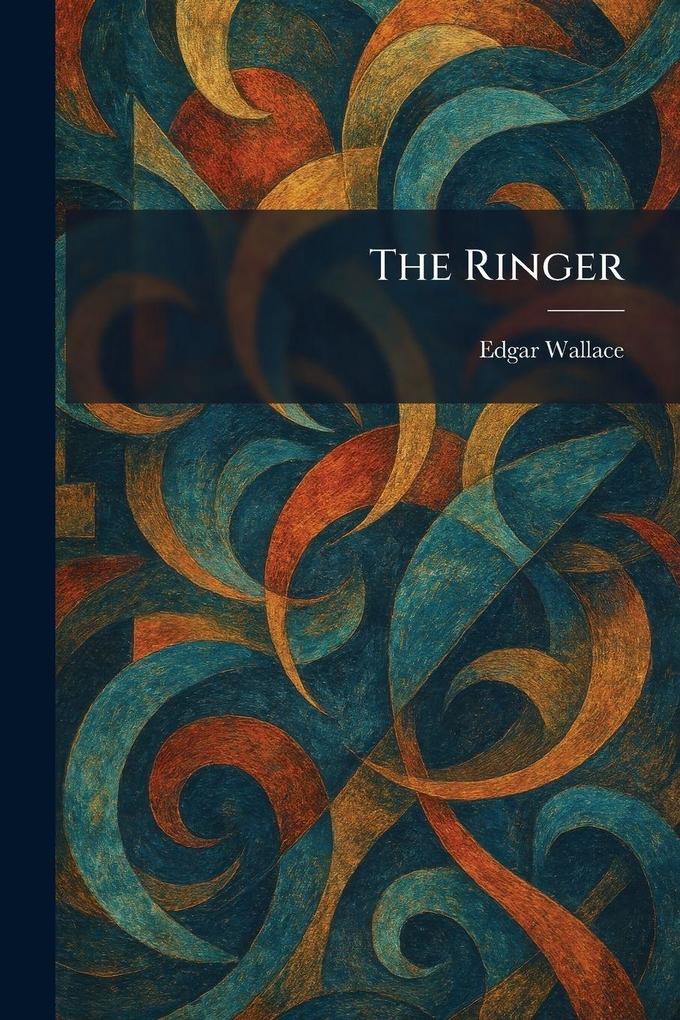
"The Ringer" is a seminal work of British crime fiction and one of the most celebrated mysteries from the prolific pen of Edgar Wallace. The narrative centers on the elusive Henry Arthur Milton, a master of disguise and a formidable vigilante known as "The Ringer." Having escaped the clutches of the law numerous times, Milton returns to London with a singular purpose, sending ripples of fear through both the criminal underworld and the halls of Scotland Yard.
As the police race against time to intercept him, the story unfolds through a complex web of deception, suspense, and unexpected twists. Wallace expertly crafts a high-stakes atmosphere where no one is quite who they seem to be. The novel explores themes of justice, retribution, and the blurred lines between legality and morality. Known for its fast-paced plot and the iconic nature of its titular character, "The Ringer" remains a cornerstone of the thriller genre, showcasing Wallace's talent for intricate plotting and dramatic tension. This classic tale of cat-and-mouse continues to captivate readers with its clever construction and the enduring mystery of its central anti-hero.
This work has been selected by scholars as being culturally important, and is part of the knowledge base of civilization as we know it. This work was reproduced from the original artifact, and remains as true to the original work as possible. Therefore, you may see the original copyright references, library stamps (as most of these works have been housed in our most important libraries around the world), and other notations in the work.
This work is in the public domain in the United States of America, and possibly other nations. Within the United States, you may freely copy and distribute this work, as no entity (individual or corporate) has a copyright on the body of the work.
As a reproduction of a historical artifact, this work may contain missing or blurred pages, poor pictures, errant marks, etc. Scholars believe, and we concur, that this work is important enough to be preserved, reproduced, and made generally available to the public. We appreciate your support of the preservation process, and thank you for being an important part of keeping this knowledge alive and relevant.