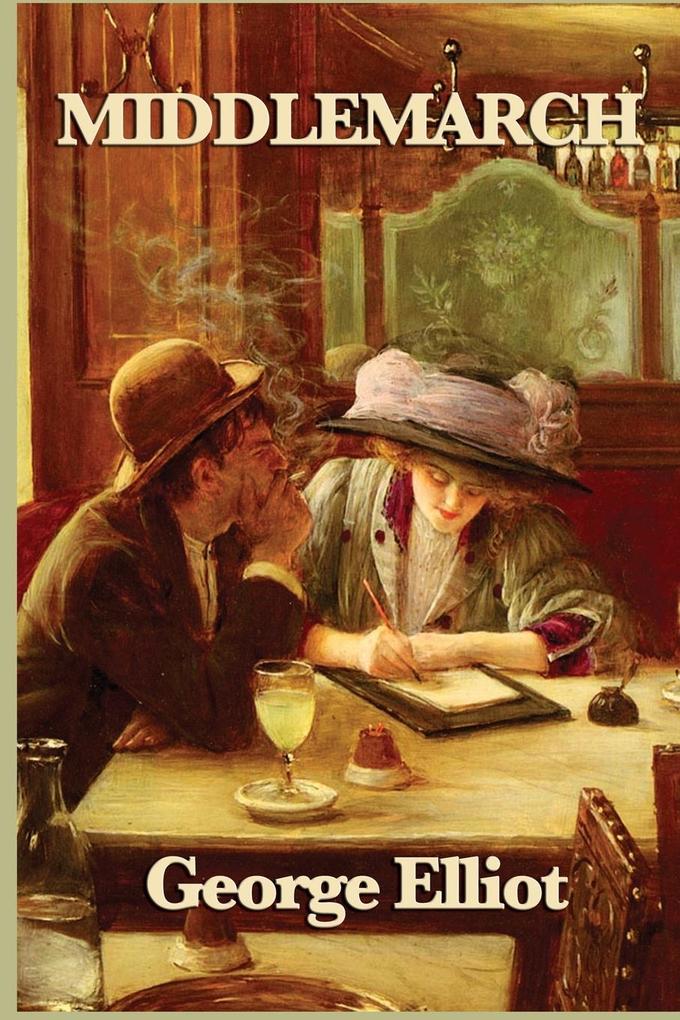
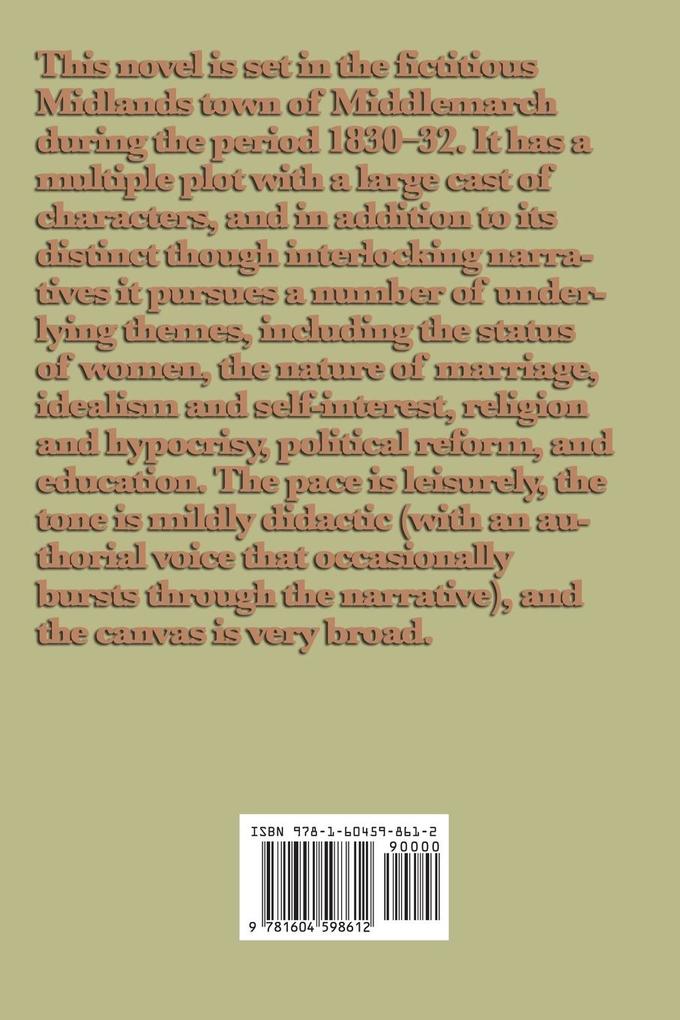
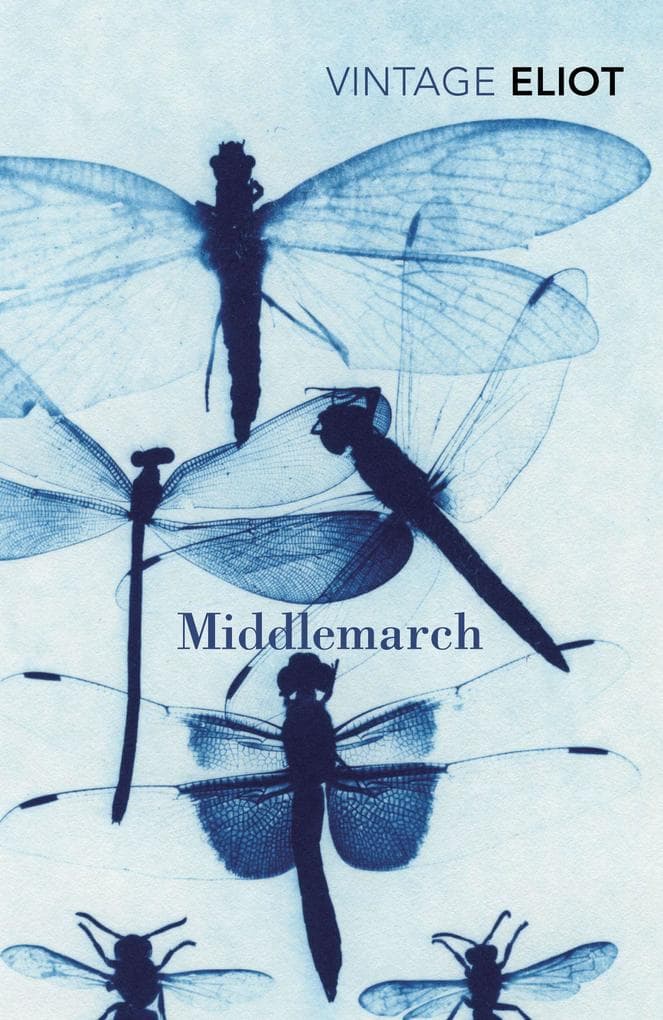
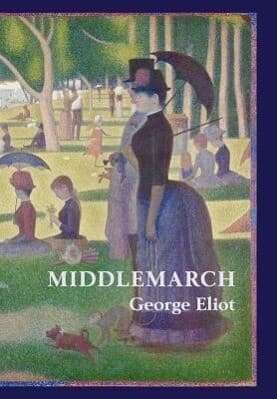
George Eliot was the pen name of Mary Ann Evans, one of the major English novelists of the nineteenth century and a central figure in Victorian literature. Born in Warwickshire, she became known for fiction of exceptional psychological insight, moral seriousness, social observation, and intellectual range. Before turning fully to the novel, she worked as a translator, editor, critic, and essayist, engaging deeply with religion, philosophy, history, politics, and European thought. Her decision to publish fiction under a male pen name reflected both the conventions of the period and her desire to have her novels judged seriously in a literary culture often dismissive of women writers.Eliot's major works include Adam Bede, The Mill on the Floss, Silas Marner, Romola, Felix Holt, the Radical, Middlemarch, and Daniel Deronda. Her novels are especially important for their complex treatment of conscience, sympathy, education, vocation, marriage, social change, and the moral consequences of ordinary choices. Unlike many novelists of her period, Eliot often resisted melodrama in favour of careful psychological development and broad social analysis, making her work foundational to English realism and the modern literary novel.Middlemarch is widely considered Eliot's masterpiece and one of the greatest novels in English. Her influence extends across Victorian fiction, literary realism, feminist literary history, ethical criticism, and the development of the social novel. She remains essential to readers of classic literature, nineteenth-century British fiction, women writers, realist novels, and the intellectual history of the Victorian age.