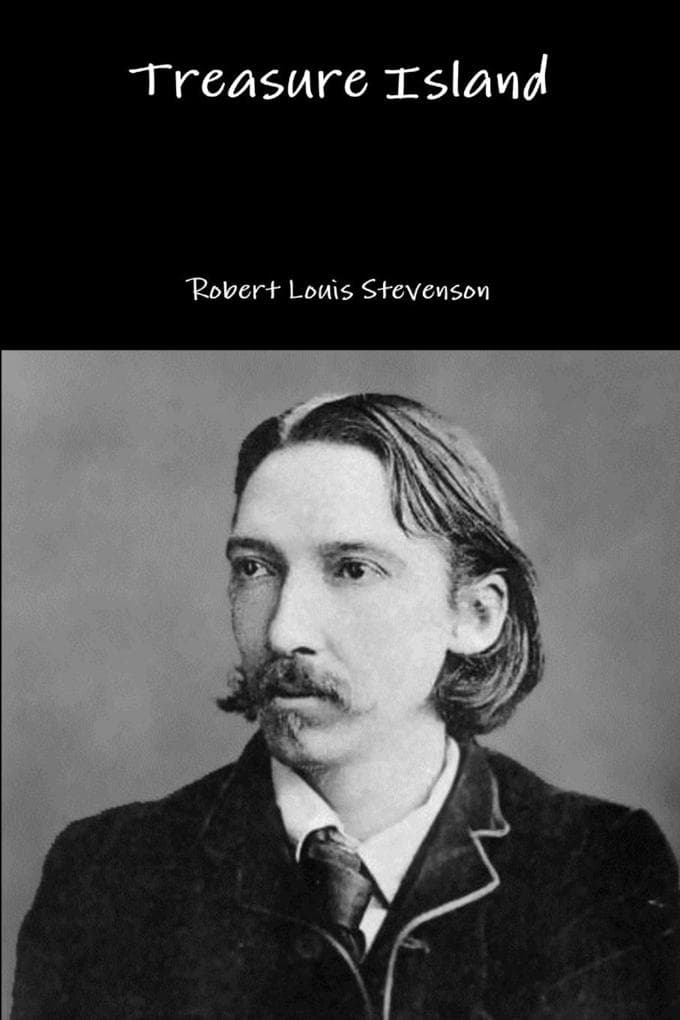
Throughout his life, Robert Louis Balfour Stevenson was tormented by poor health. Yet despite frequent physical collapses mainly due to constant respiratory illness he was an indefatigable writer of novels, poems, essays, letters, travel books, and children s books. He was born on November 13, 1850, in Edinburgh, of a prosperous family of lighthouse engineers.
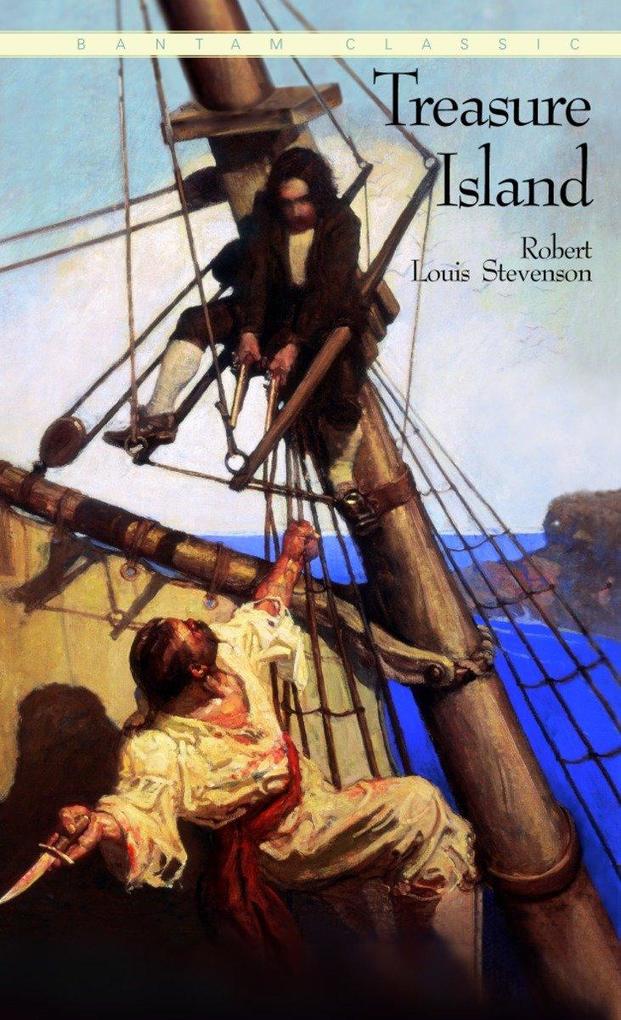
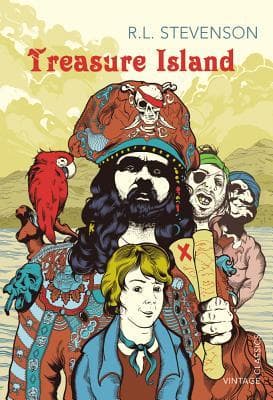
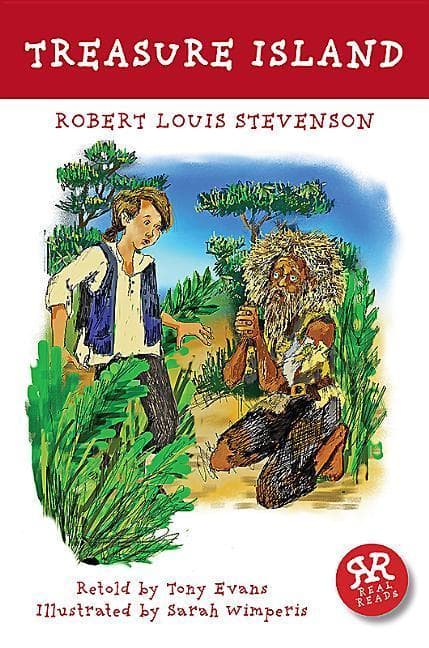
All his life Stevenson traveled often in a desperate quest for health. As a novelist he was intrigued with the genius of place: Treasure Island (1883) began as a map to amuse a boy. Indeed, all his works reveal a profound sense of landscape and atmosphere: Kidnapped (1886); The Strange Case of Dr. Jekyll and Mr. Hyde (1886); The Master of Ballantrae (1889).
In 1889 Stevenson s deteriorating health exiled him to the tropics, and he settled in Samoa, where he was given patriarchal status by the natives. His health improved, yet he remained homesick for Scotland, and it was to the cold old huddle of grey hills of the Lowlands that he returned in his last, unfinished masterpiece, Weir of Hermiston (1896).
Stevenson died suddenly on December 3, 1894, not of the long-feared tuberculosis, but of a cerebral hemorrhage. The brilliant storyteller and master of transformations had been struck down at forty-four, at the height of his creative powers.