"A woman is not to marry a man merely because she is asked, or because he is attached to her, and can write a tolerable letter."
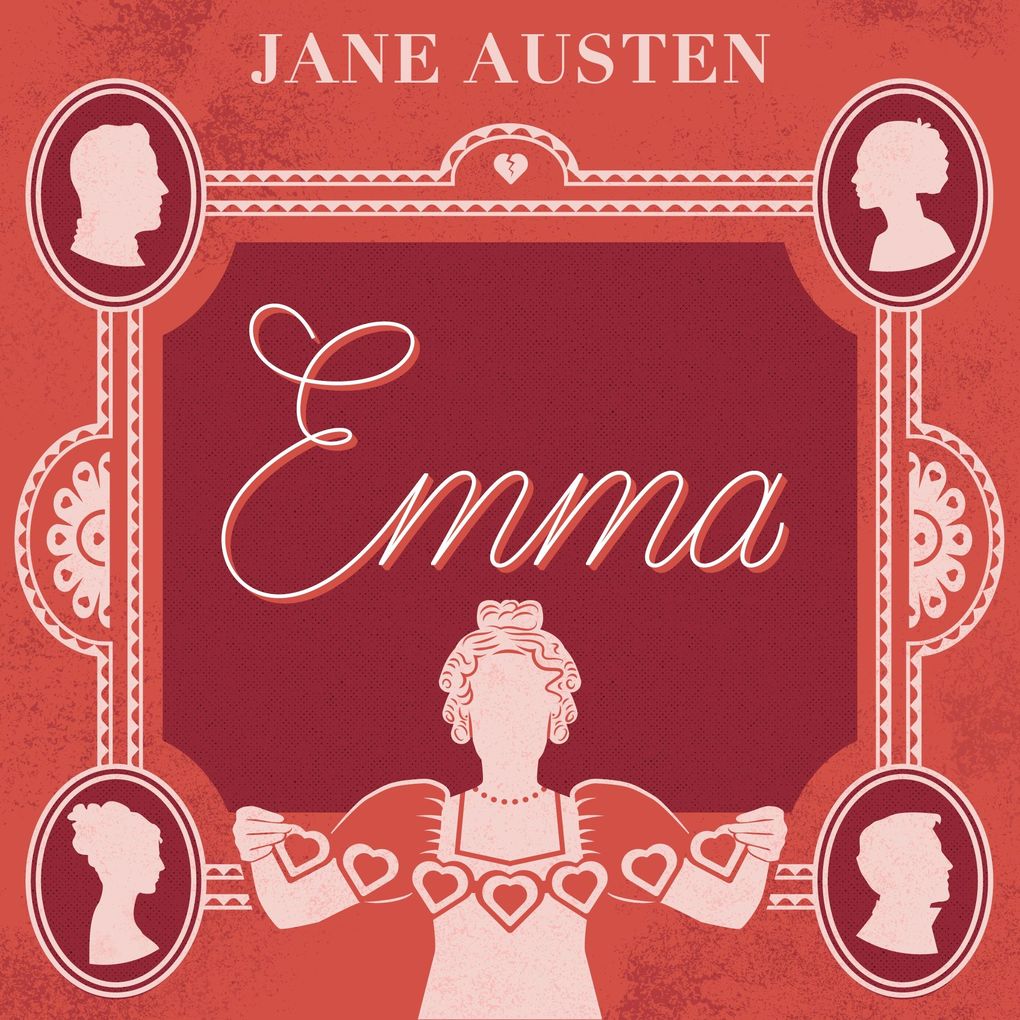
Jane Austen famously described Emma Woodhouse as "a heroine whom no one but myself will much like" and yet this timeless and witty tale of romance, manners, and the lessons of experience has become one of the author's most popular and beloved novels.
Set in the small village of Highbury during the early 19th century, Emma is a remarkable comedy of manners. Beautiful, rich, spoilt but essentially kind, Emma organizes the lives of the inhabitants of her sleepy little village, creating misunderstandings and chaos as she tries to find a suitor for her friend. It's only when her well meant meddling unravels that shes finally sees her own heart clearly and realises that perhaps it isn't the lives of others that she must try to transform.
With its imperfect but charming heroine and its subtle exploration of relationships, Emma is often seen as Jane Austen's most flawless work.
Jane Austen (1775 1817) is one of the most enduring voices in English literature, celebrated for her sharp wit, keen social insight, and unforgettable portrayals of love, class, and character. From Pride and Prejudice to Emma and Mansfield Park, Austen's novels blend humour, romance, and a clear eyed understanding of human nature in plots that often explore the dependence of women on marriage for the pursuit of favourable social standing and economic security.
Though she published anonymously during her lifetime, Austen's novels have rarely been out of print and have become cornerstones of English Literature. Her sharp observations of class, courtship, and character continue to resonate with audiences worldwide and have inspired countless adaptations across film, television, and theatre.