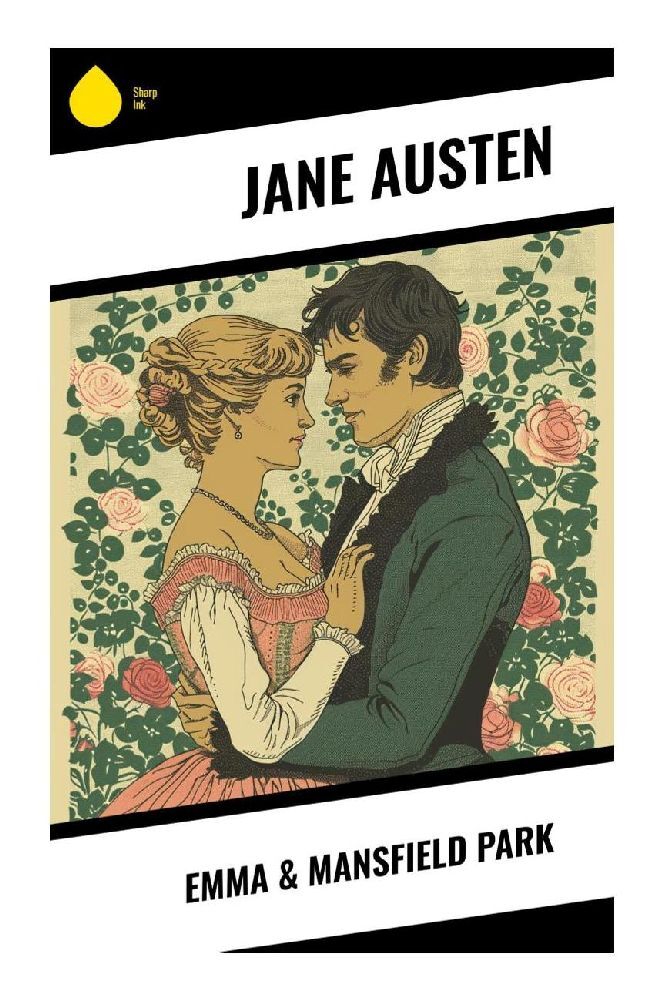
Bringing together two of Jane Austen's most searching novels, Emma & Mansfield Park offers a rich study in moral perception, social performance, and the education of judgment. Emma Woodhouse's comic misreadings of desire and Fanny Price's quiet resistance to fashionable corruption reveal Austen's command of irony, free indirect discourse, and domestic realism. Written within the Regency novel's culture of manners, both works transform courtship plots into subtle inquiries into class, gender, conscience, and authority. Jane Austen, born in 1775 into a literate clerical family, observed with exceptional acuity the provincial gentry, marriage markets, and constraints placed upon women's intelligence and independence. Her own position, socially respectable yet economically precarious, sharpened her interest in inheritance, propriety, and self-knowledge. These experiences inform both Emma's privileged blindness and Fanny's vulnerable integrity, giving the novels their ethical complexity. This volume is highly recommended for readers who value wit joined to moral seriousness. It will reward admirers of classic fiction, students of nineteenth-century literature, and anyone interested in how small communities expose the largest human truths.