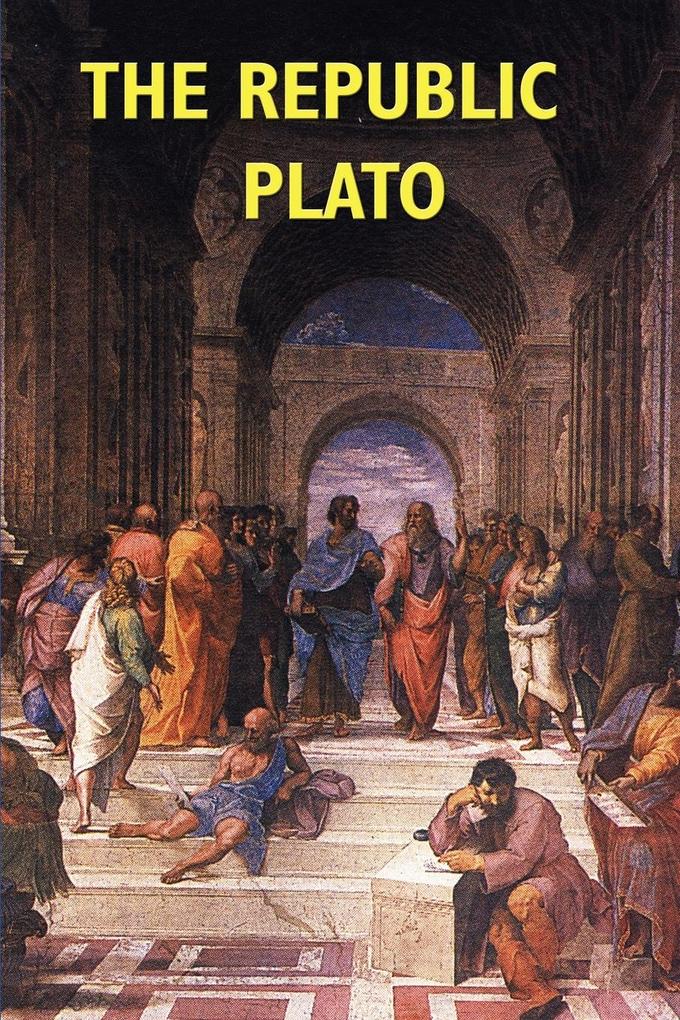
What is justice, and why should anyone choose to live a just life? In The Republic, Plato transforms that fundamental question into one of the most ambitious examinations of morality, politics, education, knowledge, and human nature ever written. Through a searching dialogue led by Socrates, he considers not only the character of the just individual but also the kind of society in which justice might flourish.
To make justice easier to see, Socrates and his companions imagine an ideal city governed by philosopher-kings and organized according to wisdom, courage, moderation, and social responsibility. Their discussion ranges across competing forms of government, the education of rulers, the role of art and poetry, the equality of women among the guardian class, the dangers of unchecked appetite, and the relationship between political disorder and disorder within the soul. Plato's famous allegories of the Cave, the Sun, and the Divided Line explore the difficult journey from appearance and opinion toward knowledge and truth.
At once a political argument, a moral inquiry, and a profound meditation on education and enlightenment, The Republic has shaped more than two thousand years of debate. Its visions of philosopher-rulers, communal life, censorship, civic duty, and the ideal state remain both influential and deeply controversial, ensuring its place among the foundational works of Western philosophy and political thought.