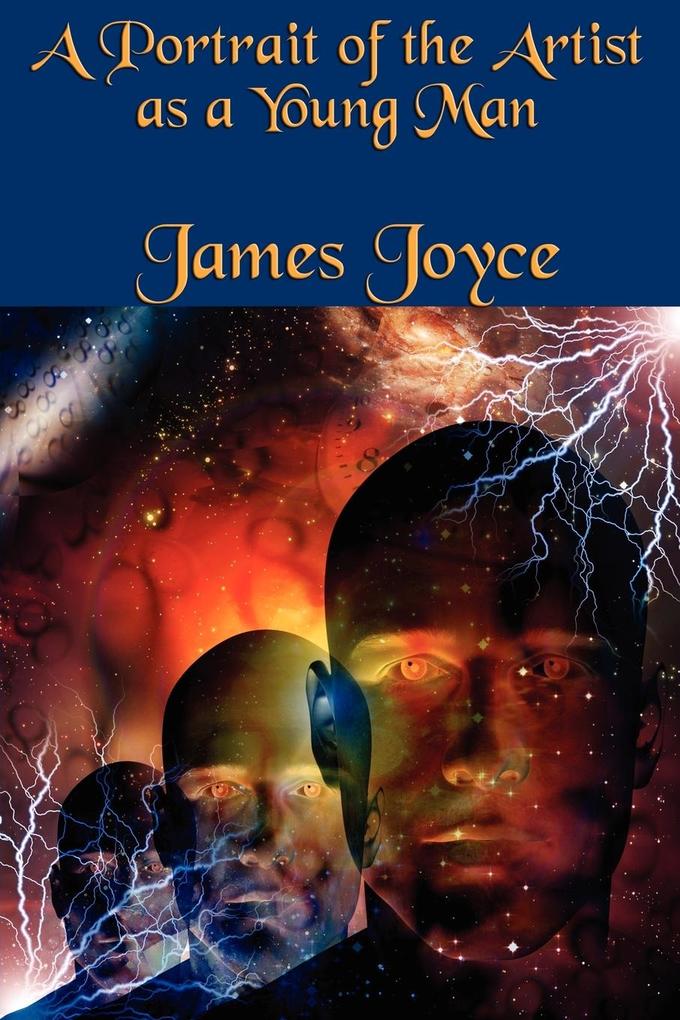
James Joyce was an Irish novelist, short-story writer, poet, and one of the central figures of literary modernism. Born in Dublin in 1882, Joyce drew repeatedly on the city's streets, schools, churches, politics, speech, and social pressures, even after spending much of his adult life outside Ireland. His early works, including Dubliners and A Portrait of the Artist as a Young Man, established many of the concerns that would define his career: exile, memory, Catholic inheritance, family pressure, artistic vocation, Irish nationalism, and the difficulty of finding freedom within inherited forms of language and belief.A Portrait of the Artist as a Young Man was Joyce's first published novel and introduced Stephen Dedalus, the young artist figure who would later reappear in Ulysses. Joyce's method in the novel was radical for its time: the language of the book develops alongside Stephen's consciousness, moving from childhood perception toward self-conscious artistic declaration. This technical control, combined with Joyce's unsentimental treatment of religion, sexuality, education, and national identity, helped make the novel one of the foundational works of twentieth-century fiction.Joyce's later books, especially Ulysses and Finnegans Wake, pushed modernist experimentation even further, transforming the possibilities of narrative structure, interior monologue, allusion, and verbal play. Yet A Portrait of the Artist as a Young Man remains one of his most widely read and accessible works: a classic of Irish literature, a landmark coming-of-age novel, and a crucial step in the development of modernist fiction.